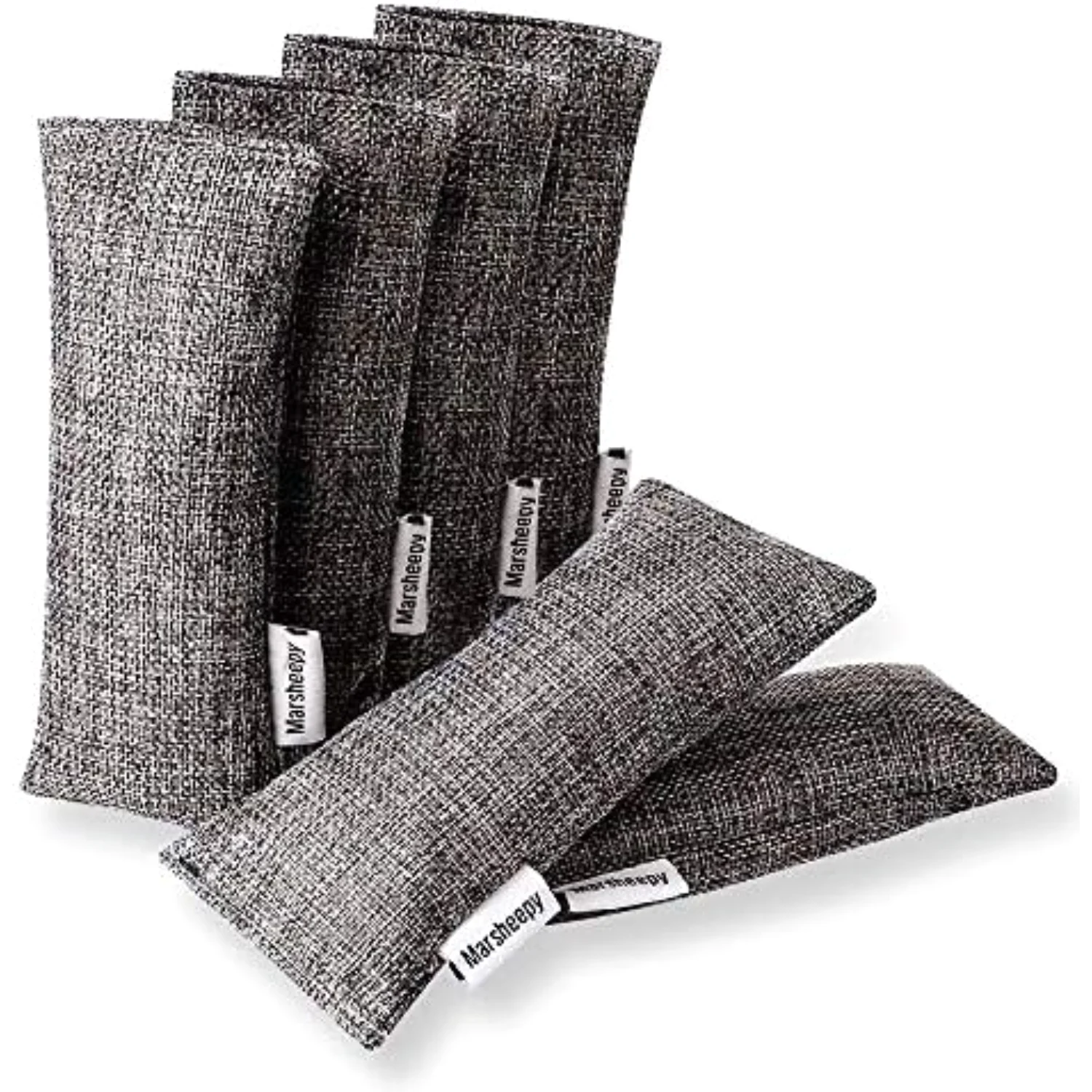
Charcoal odour bags
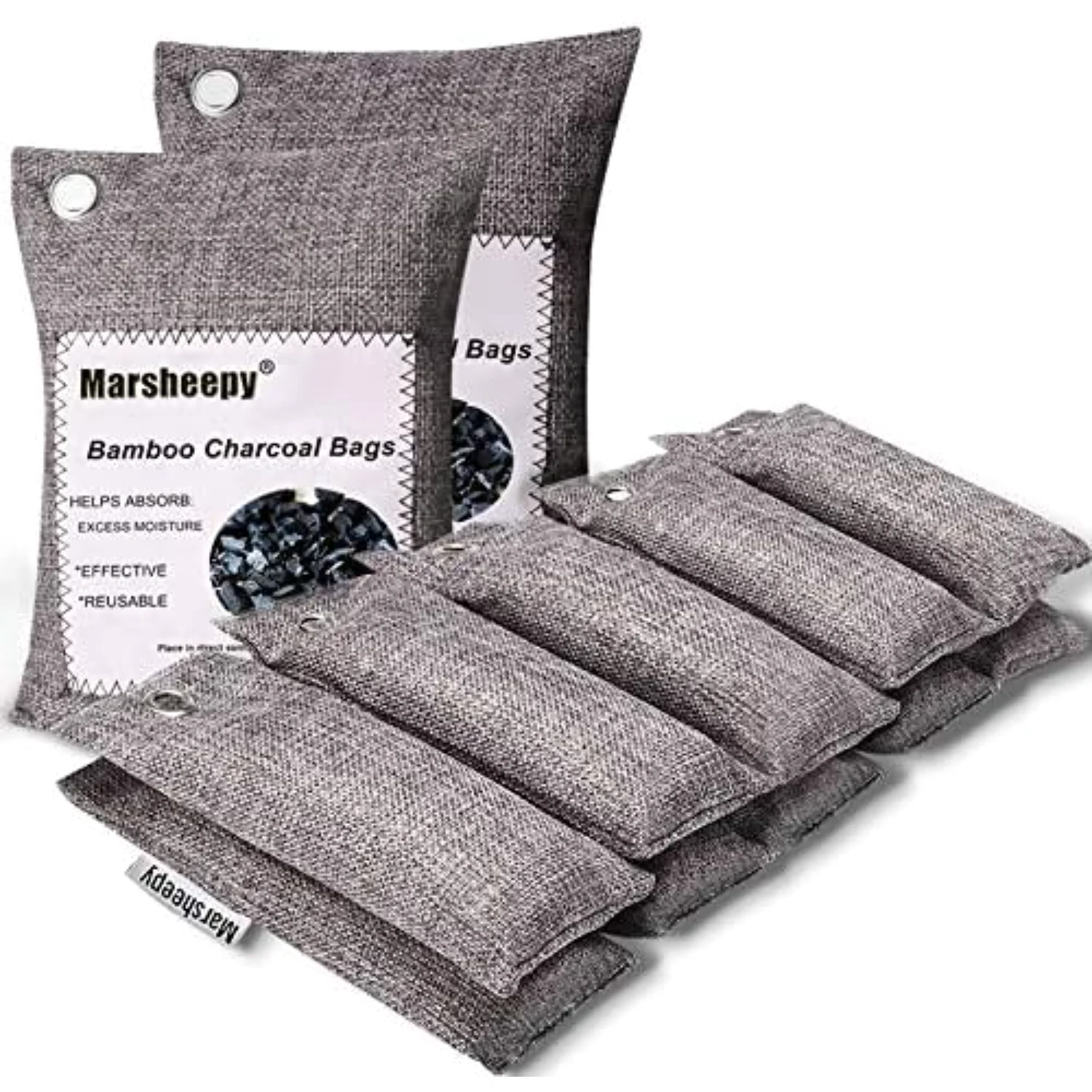
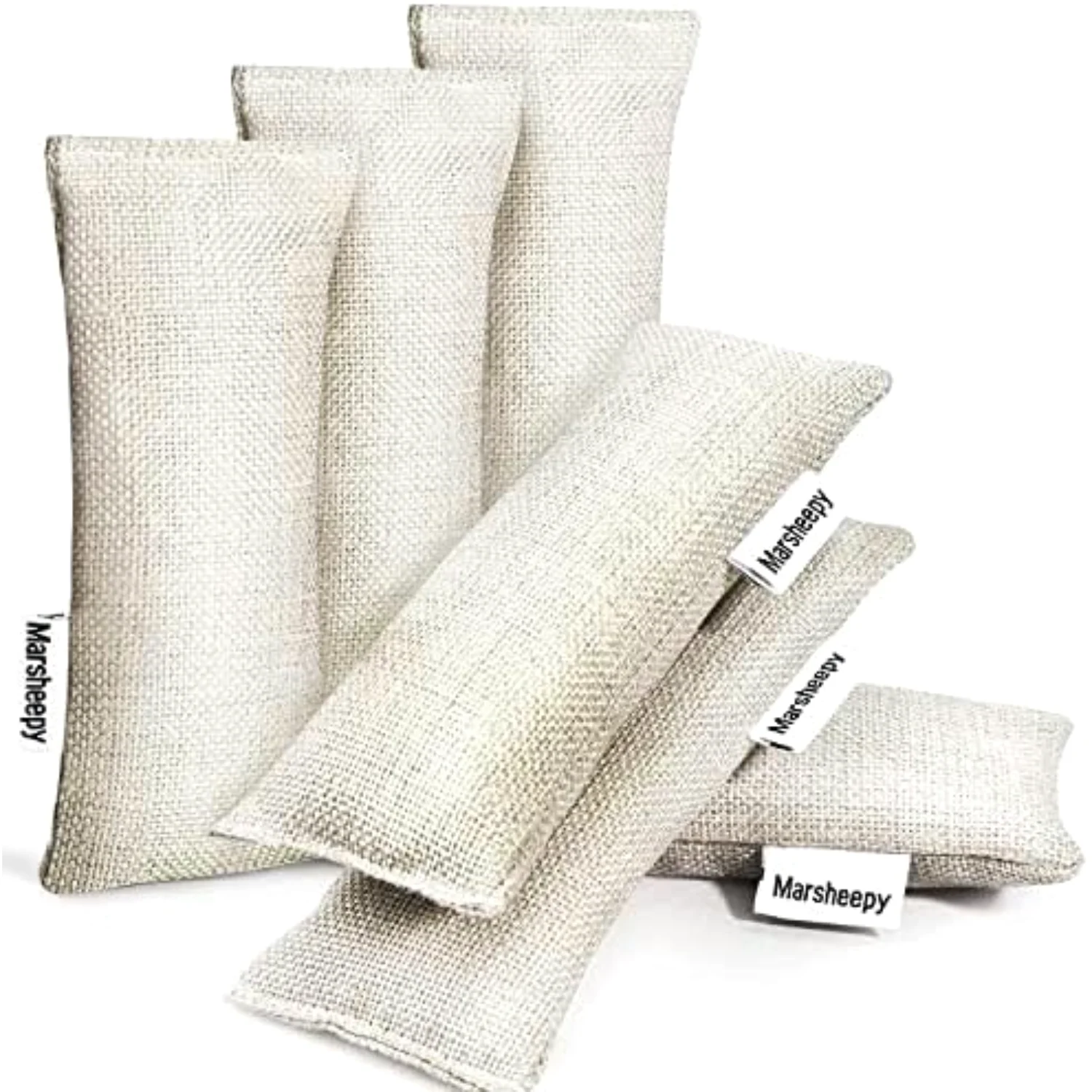
6 charcoal bags, 60 g, grey linen
6 bags · 60 g each · woven linen · 360 g of charcoal
★★★★☆ 4.2 · 15,457 ratings
$8.98
price updated 2026-08-21
Buy on Amazon
Marsheepy makes two kinds of object and very little else. Bamboo charcoal in a linen bag, which quietly takes the damp and the smell out of a cupboard. And the equipment for a small batch of something molten: a double boiler that keeps the flame away from the sugar, tins to pour it into, bowls to weigh it in, a magnet to keep the knives off the drawer.
Twenty-six items. No range extensions into things we would be guessing about. This page is the whole catalogue, and the long half of it is the part that tells you how much charcoal a wardrobe actually needs and at what temperature chocolate stops behaving.
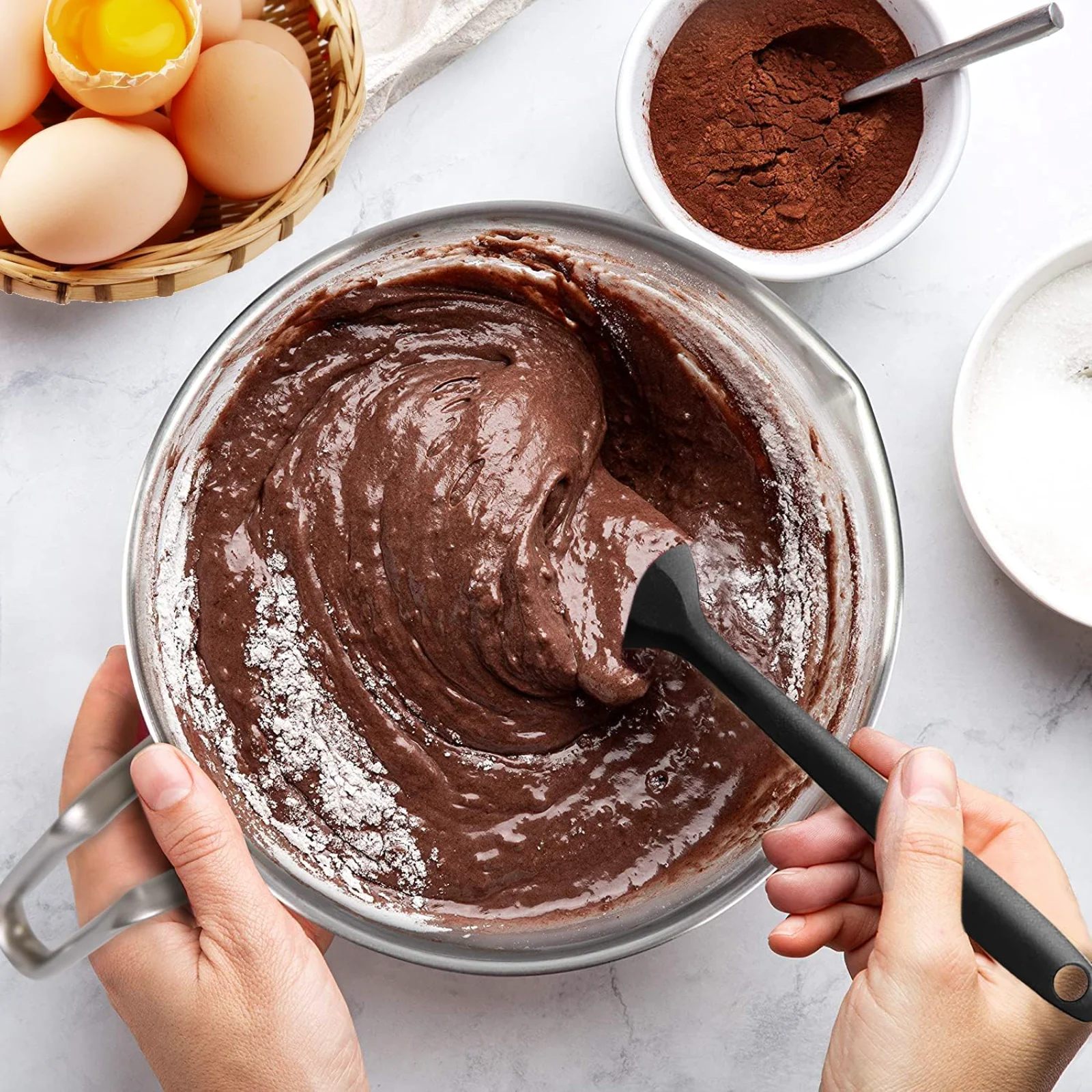
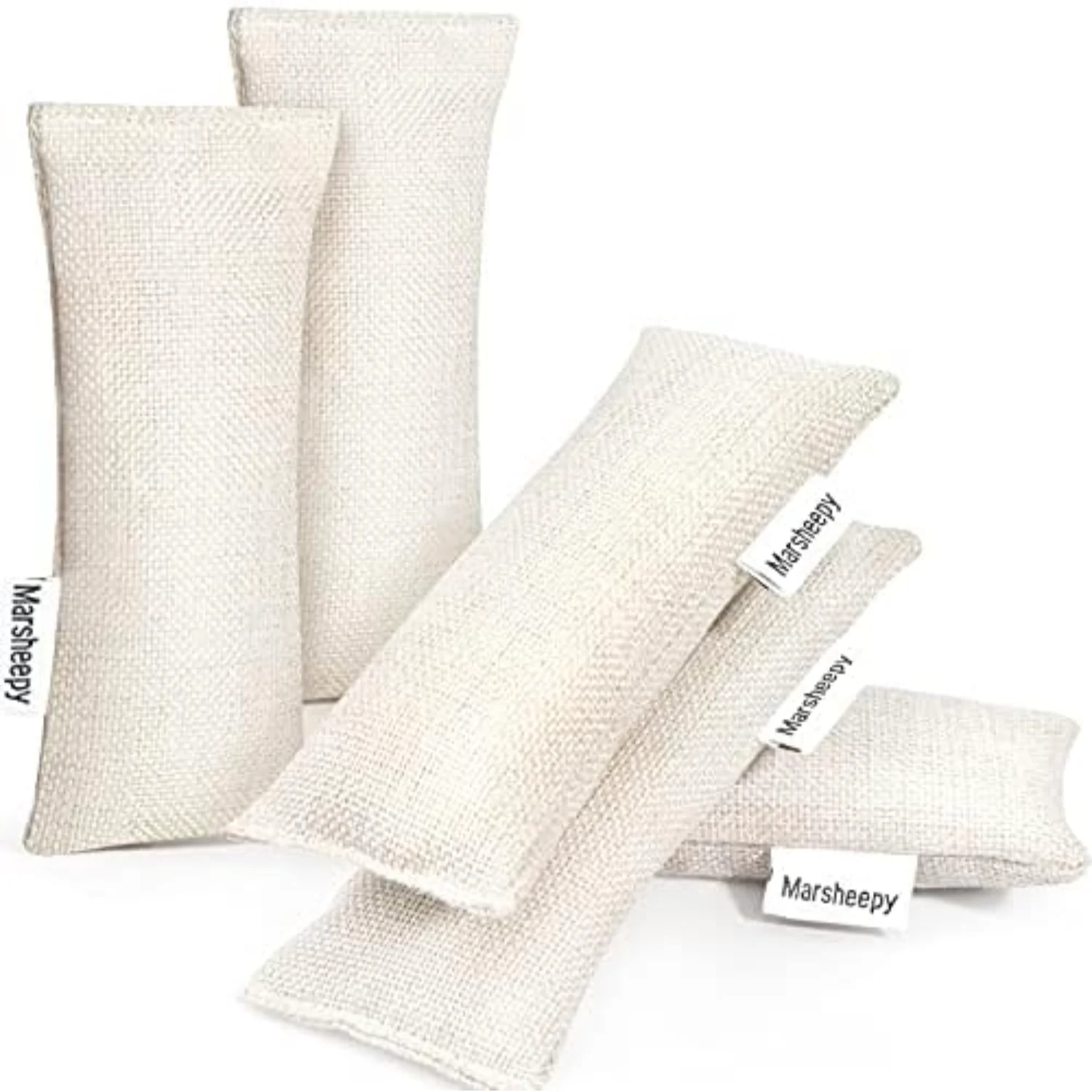
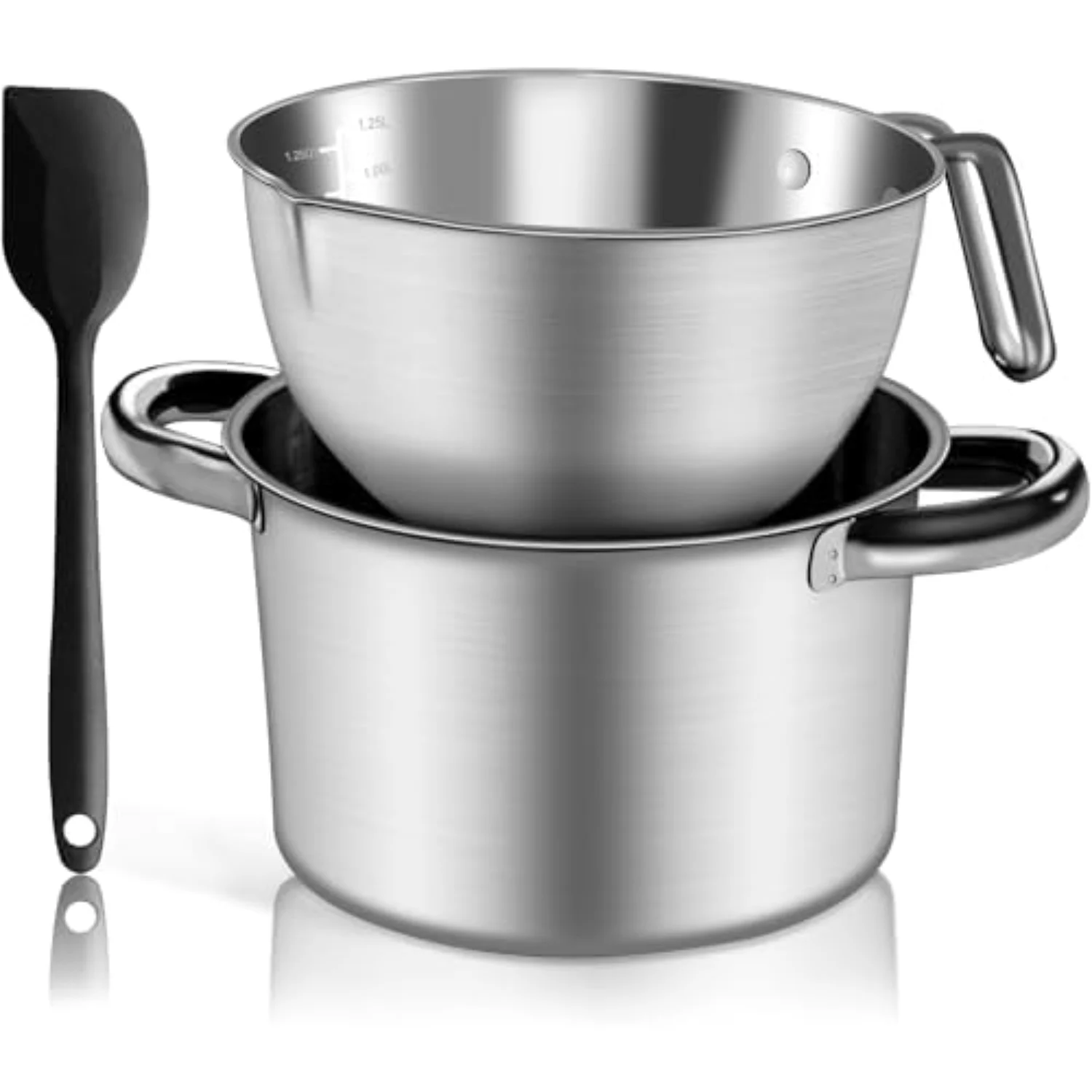
One from each family, ordered by how many ratings the family carries. Ratings are reported for a whole family of pack sizes at once, so several sets here share one figure. We count each family once rather than adding the same reviews up twice.
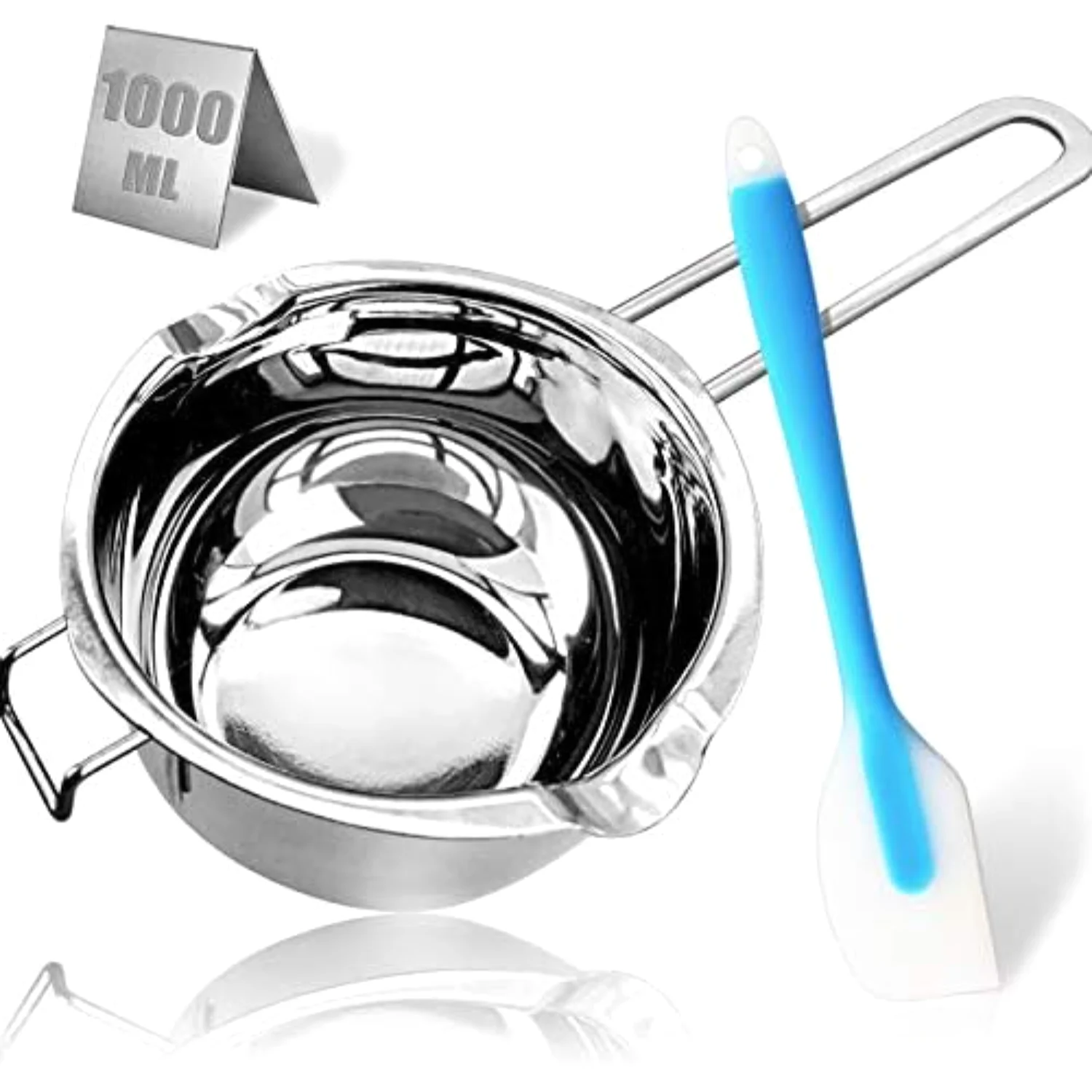
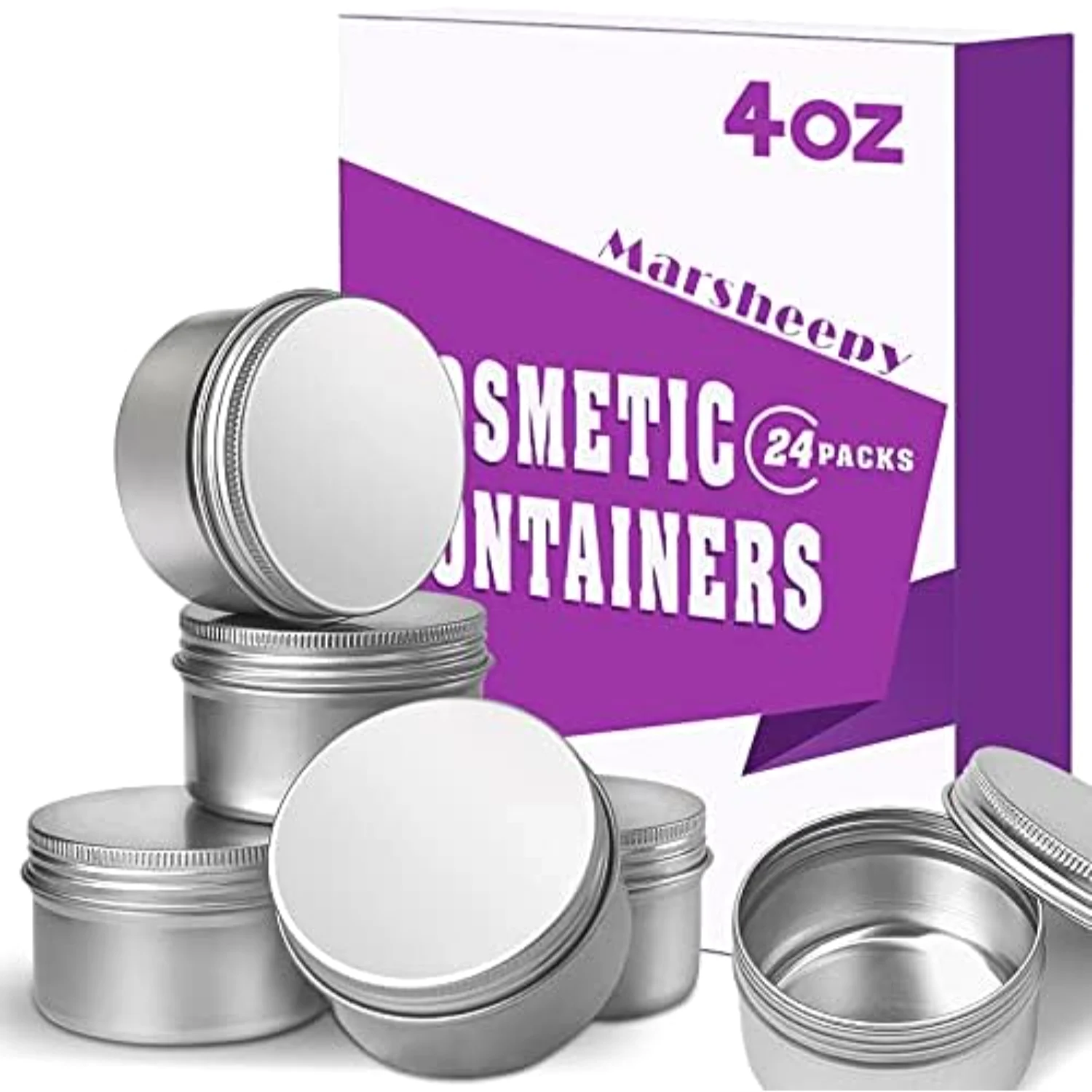
Prices on this page are the figures from our last update and they move between updates.
Charcoal made from moso bamboo, fired until the structure is a sponge of pores, then sewn into linen or an open mesh. It sits in a shoe, a gym bag, a fridge, a drawer, and it does one thing: it holds on to the molecules that were making the smell. No fragrance, no aerosol, nothing to plug in and nothing to spray. It is the least dramatic product we make.
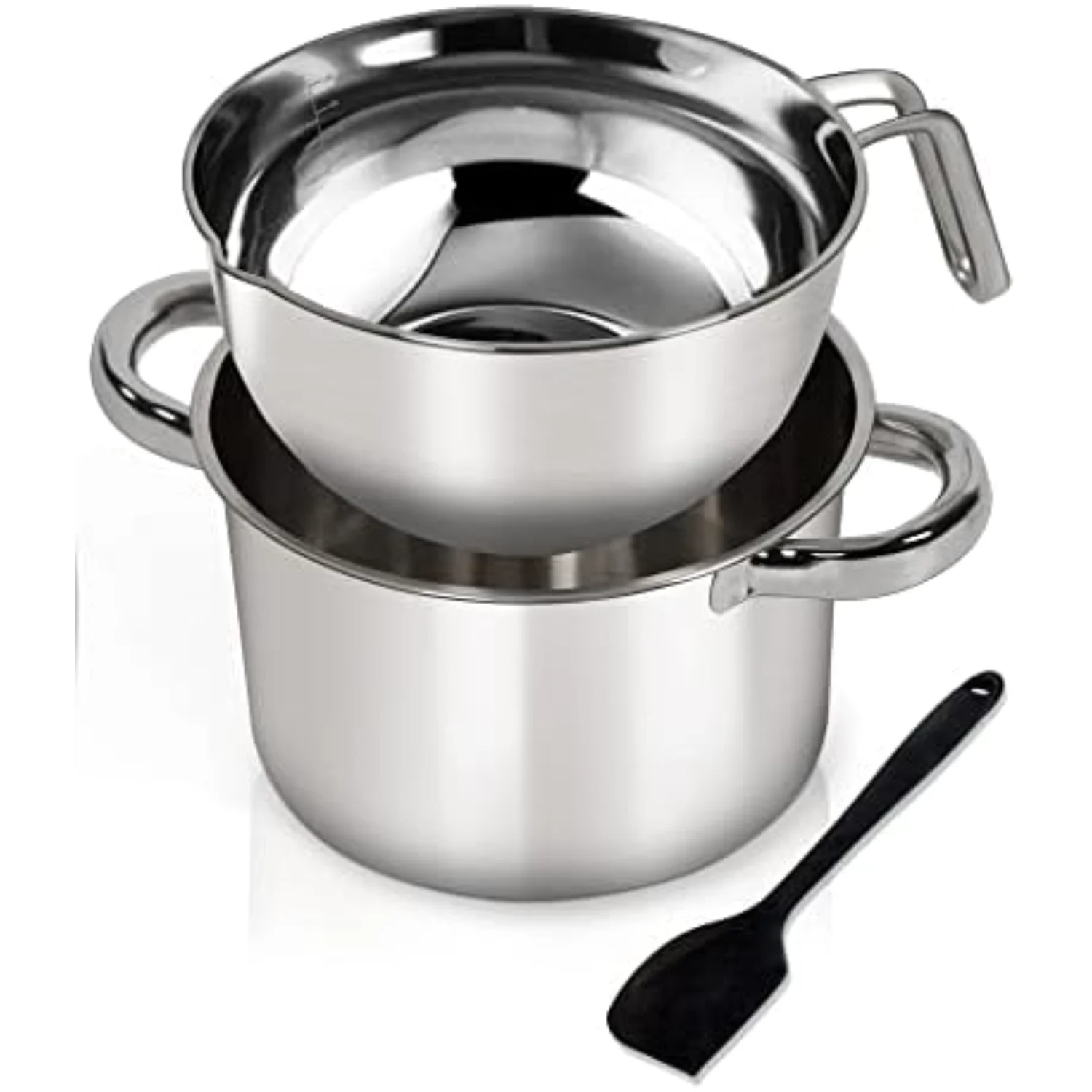
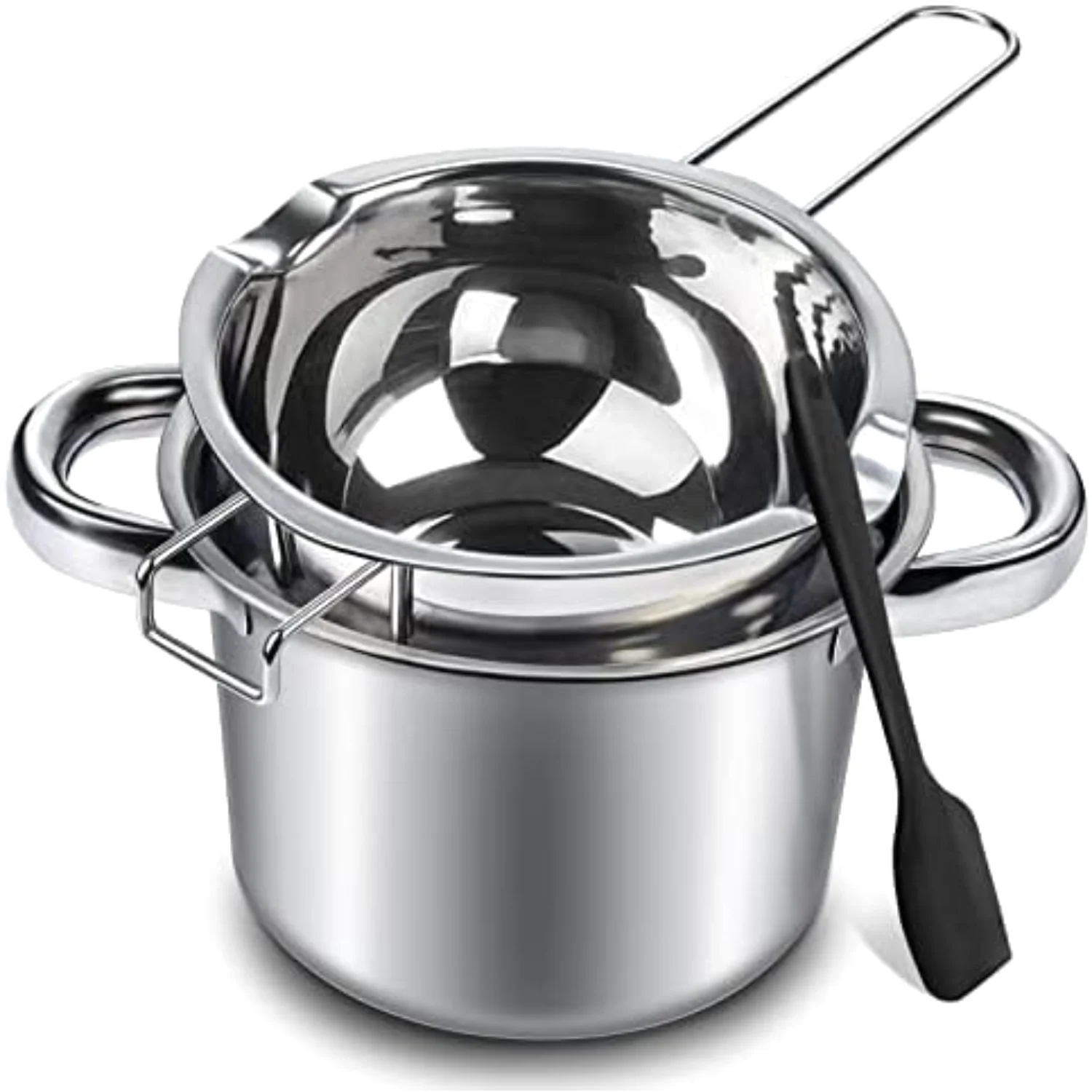
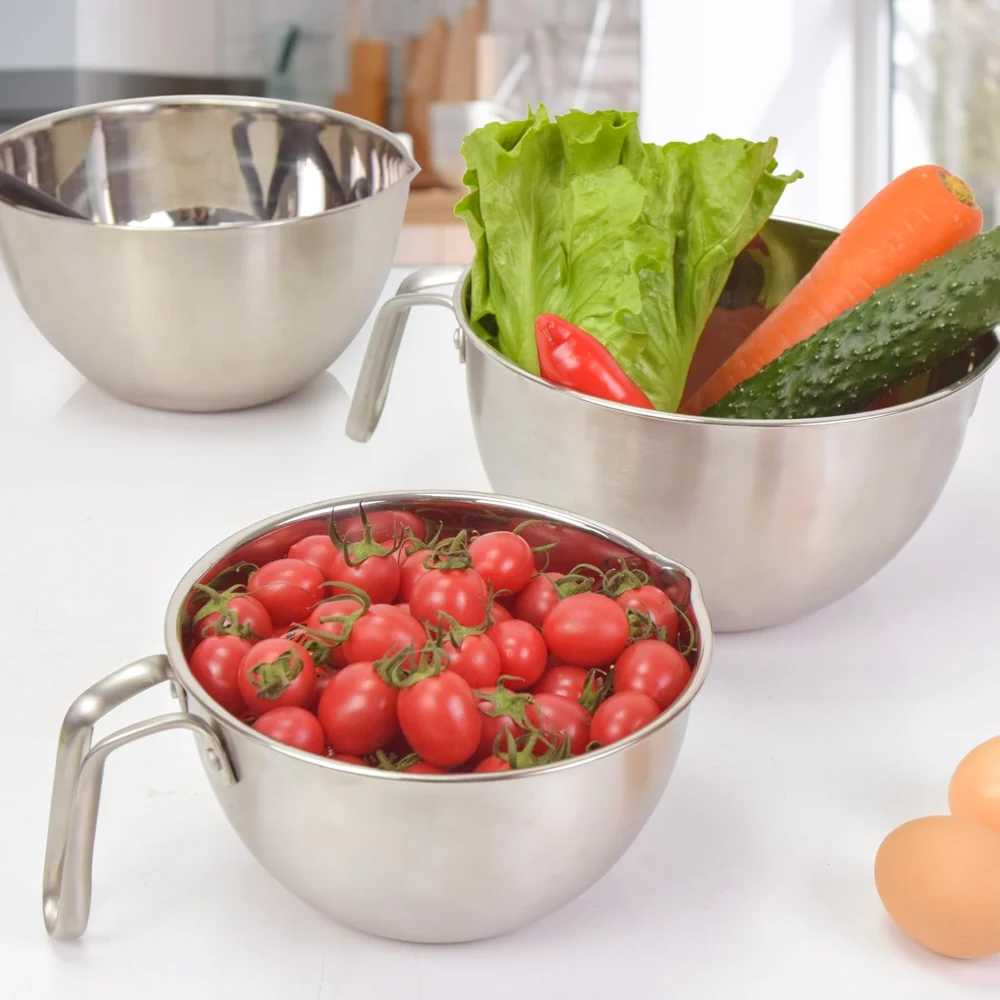
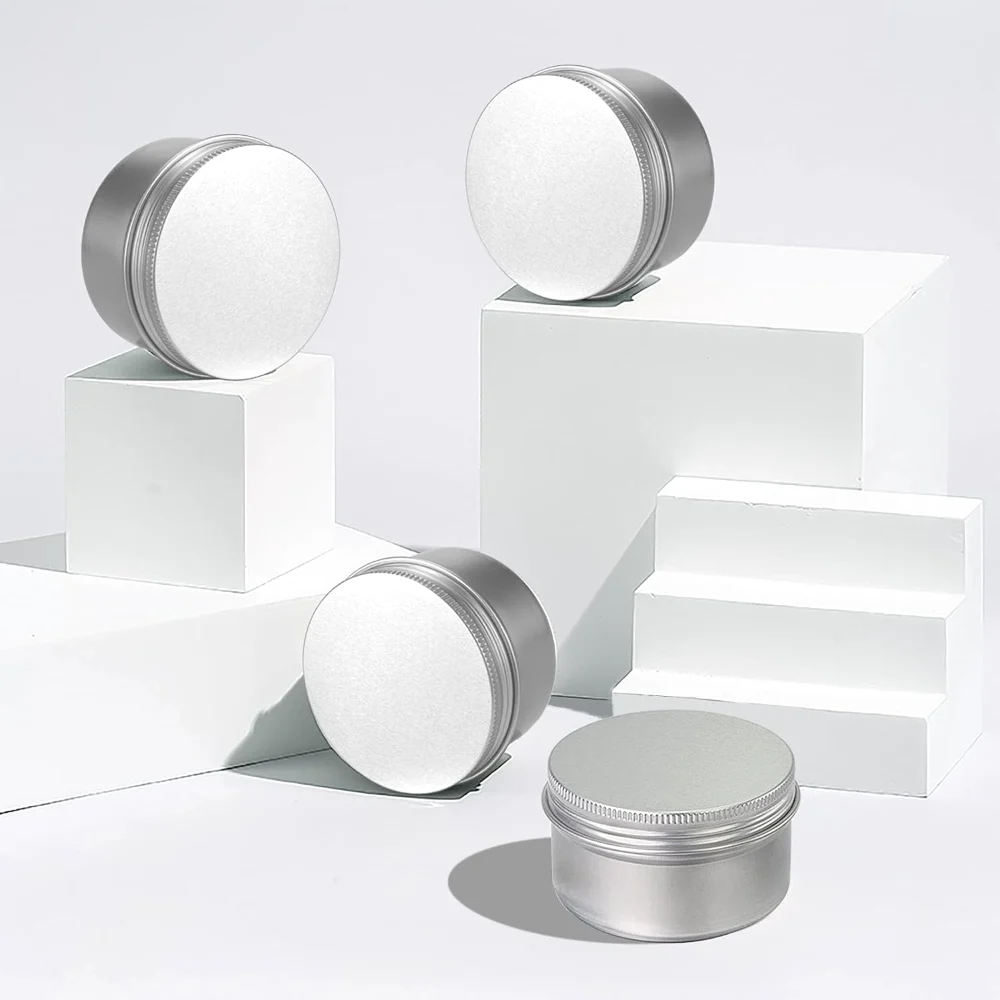
The charcoal halfChocolate seizes at about 120 °F over a direct flame and wax has a temperature at which it will light. A double boiler removes the argument: the water underneath cannot go past its own boiling point, so the bowl above it cannot either. What we sell around that is the rest of the session: nesting bowls for the weighing, aluminium tins for the pouring, a magnetic strip so the knives are on the wall instead of loose in the drawer you keep opening.
The melting half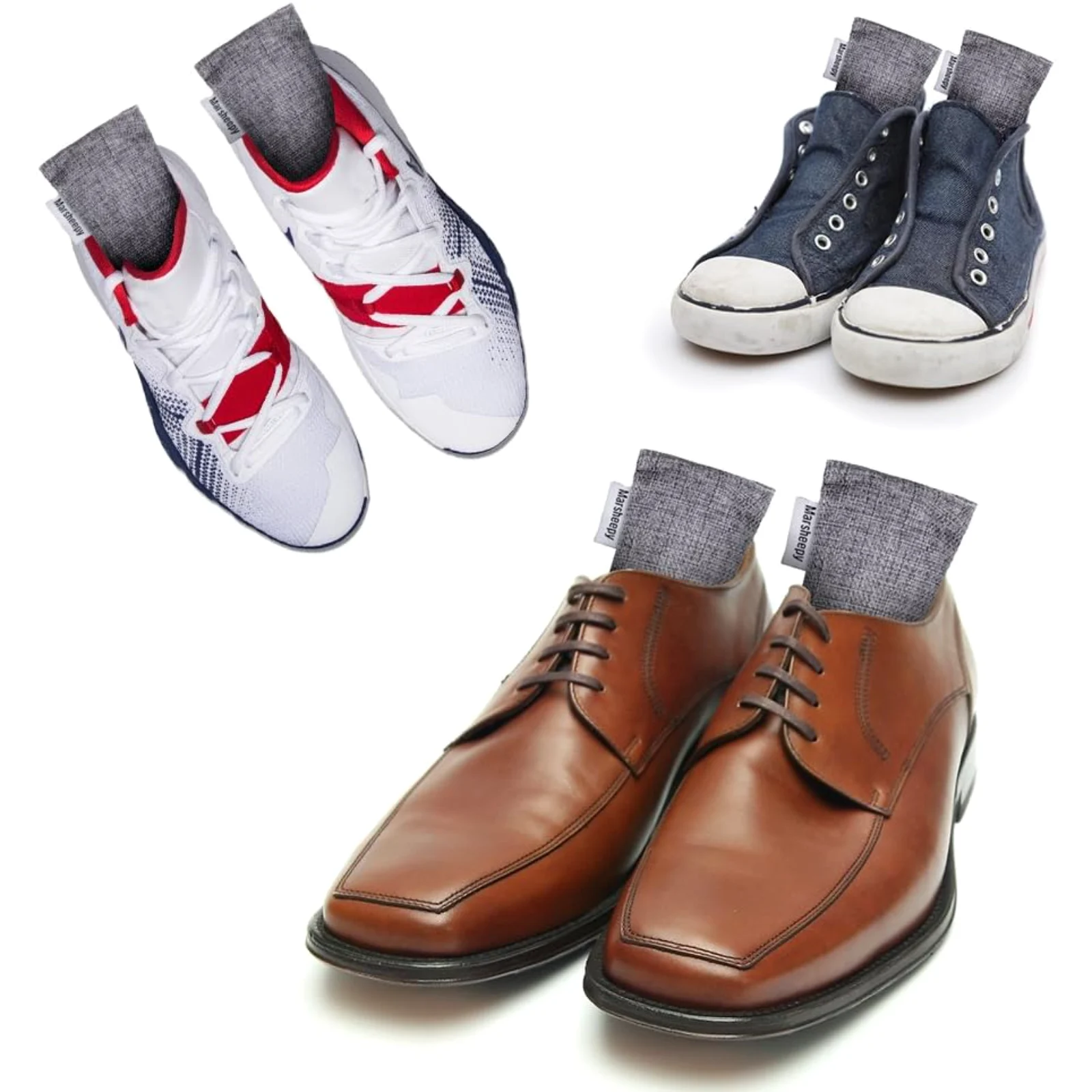
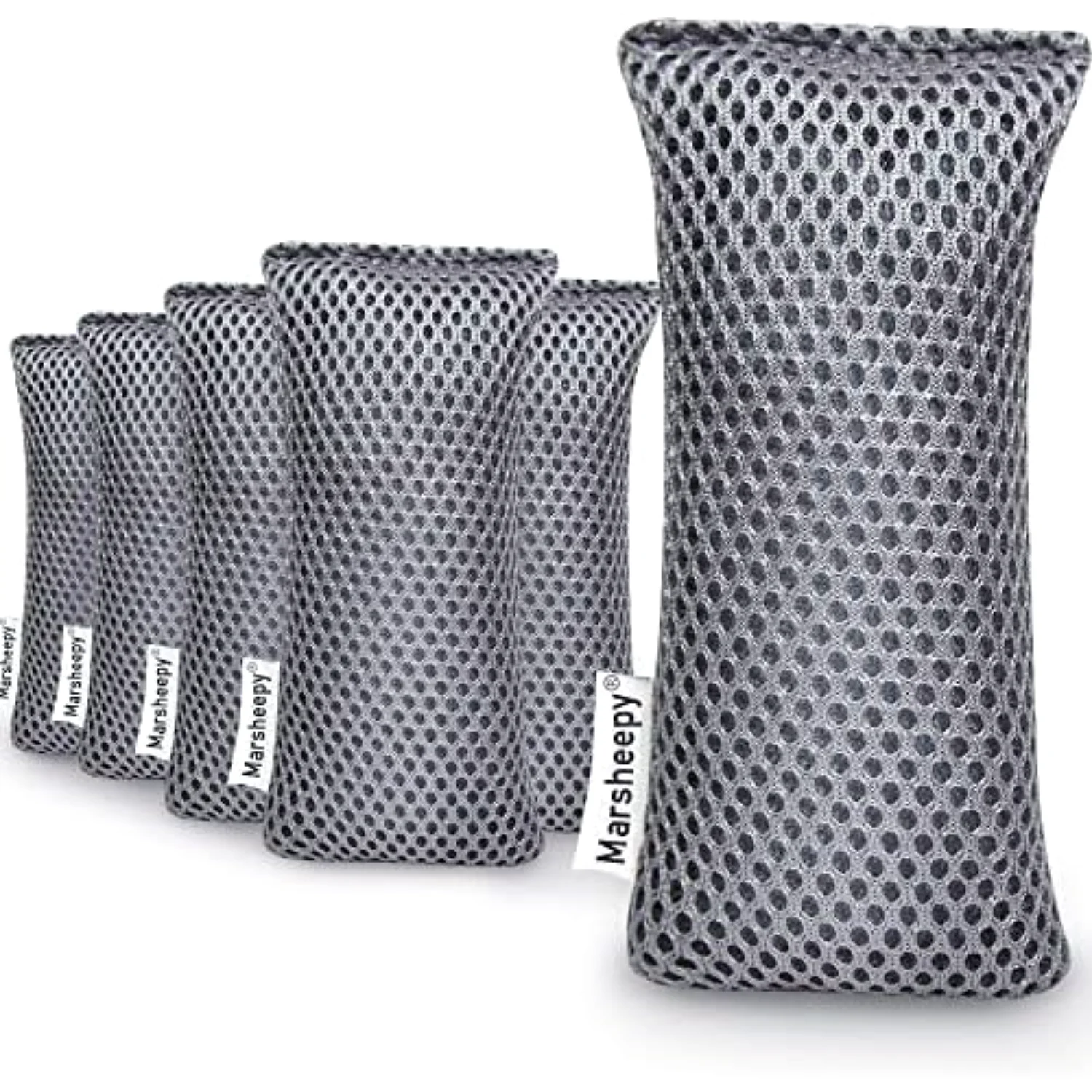
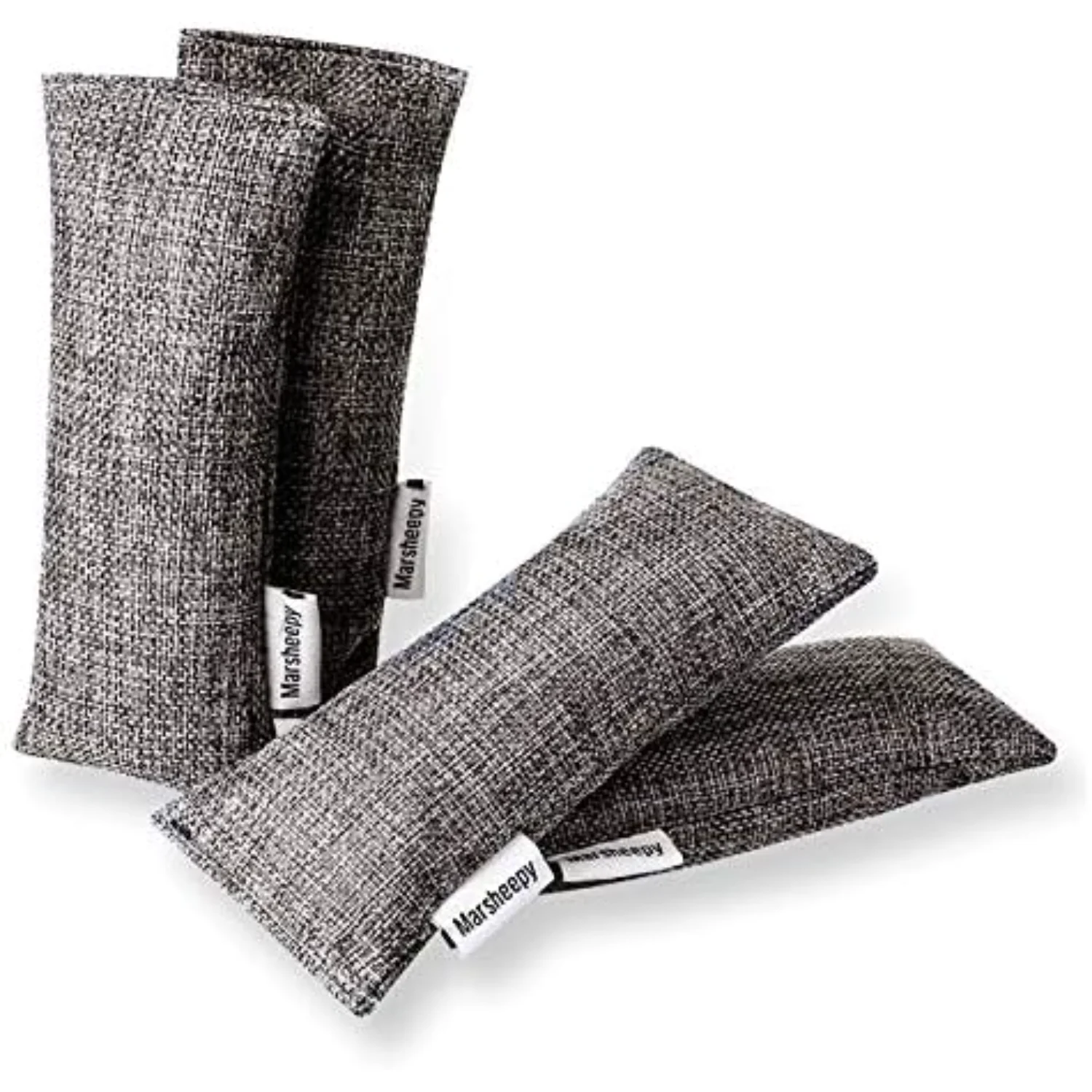
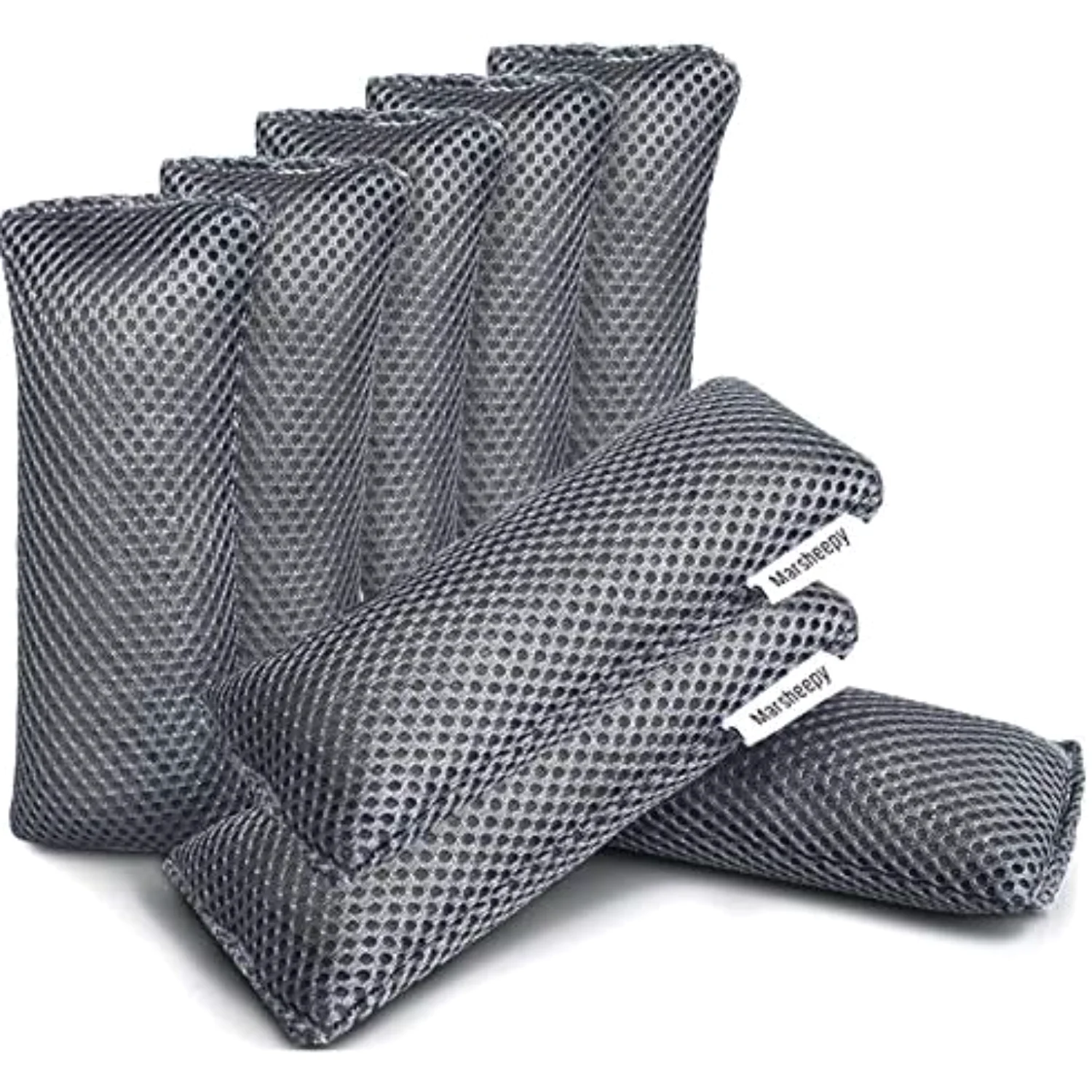
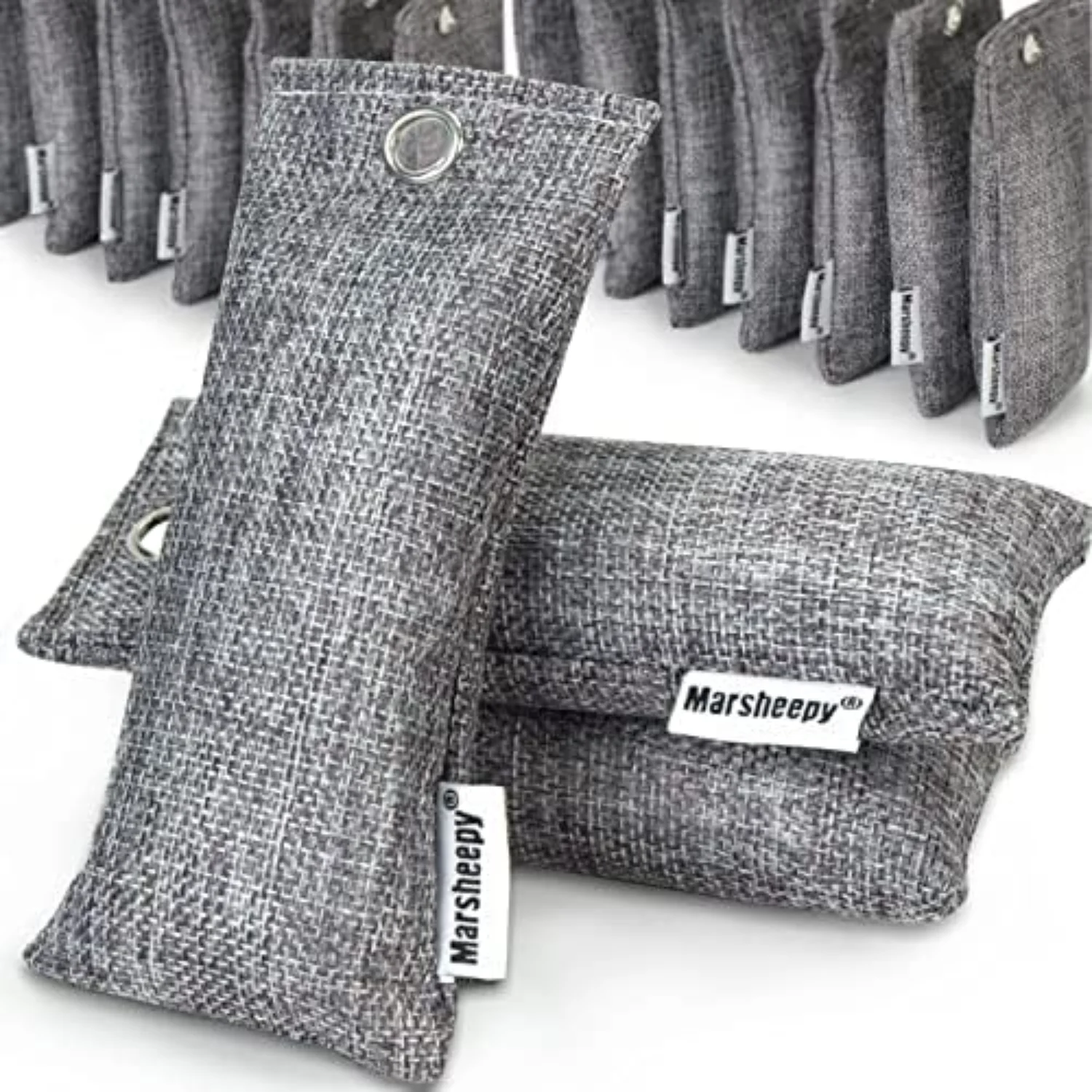
Bamboo charcoal that pulls damp and smell out of a small closed space. Eight sets between six and twenty-four bags, in woven linen or open mesh, filled 50 or 60 grams a bag.
It is not soaking the smell up the way a sponge takes water. The word for it is adsorption: molecules drifting past the carbon stick to the walls of its pores and stay stuck.
Bamboo charcoal starts as moso stems, carbonised and then activated, which opens the internal structure into something closer to a honeycomb than a lump. The surface area hiding inside a single gram is measured in hundreds of square metres, and every square metre of it is somewhere for an odour molecule to settle. That is the whole mechanism. Nothing is neutralised, nothing is masked, and nothing is released back while the bag stays dry and cool.
Two consequences follow, and they are the reason this section exists rather than a line of marketing. The first is that quantity matters more than cleverness: the EPA's own guidance on home air cleaners notes that activated carbon can be effective provided there is a large amount of material doing the work. Fifty grams in a shoe is a lot of carbon for the volume of a shoe. The same fifty grams in a living room is a rounding error.
The second is that the capacity is finite. Every pore that fills stops working, and a bag in a damp cupboard fills with water vapour as readily as with anything else. This is why the honest unit for our range is the enclosed space rather than the room, and why the next block is a calculator rather than a slogan.
Air purifier now means a box with a fan, a rated filter and a clean air delivery rate. A bag of charcoal has none of those, and no air cleaner of any kind removes everything in the air of a home. Ours is a passive absorber for a small closed volume, and that is the largest claim this site will make for it.
Our rule of thumb, and the arithmetic behind it. Pick the space and the calculator returns the weight of charcoal it needs and the set that carries it.
The rule is one 50 to 60 gram bag for every two cubic feet of enclosed air, doubled for anything that gets wet or is opened constantly. A pair of shoes is two bags because it is two spaces. A fridge is bigger than it looks and busier than it looks, so it takes four. A wardrobe with the door shut is a good candidate; a wardrobe with the door open is a corner of a bedroom, and a bedroom is not a job for bags.
The calculator is not a physics engine. It applies that rule and then rounds to a set we actually make, so the answer comes back as a pack size rather than as a number of grams.
Every charcoal bag sold anywhere says to sun it once a month. Ours says it too. Here is the part that usually goes unsaid.
An afternoon on a windowsill drives off the water the pores have taken up. Water is the bulk of what a bag in a shoe or a bathroom collects, so the bag really does come back lighter, drier and more useful, and a couple of hours of direct sun a month is worth doing.
What the sun does not do is regenerate the carbon. The study we read on field-spent granular carbon put the recovery of adsorption capacity at 800 °C, which is a furnace, not a windowsill. The heavier molecules that make a stubborn smell stay where they are. So the useful life of a bag is real but limited, and the two years printed on our own packaging is a ceiling rather than a guarantee.
A practical way to tell: if a bag that has been dried in the sun still smells of the cupboard it came out of, it is finished as an absorber. Cut it open and empty the charcoal into a pot or a border. It is fine for soil and the linen composts.
Wash it, microwave it, put it in the oven or run it through a dryer. Wet charcoal takes days to dry from the inside, a microwave heats the metal ring in the seam, and an oven hot enough to matter is an oven hot enough to scorch linen.
We would rather lose a sale than have a bag hung up in front of a problem that needs somebody with a meter or a mop.
Damp, and the smell of mould. The EPA is unambiguous: mould control is moisture control, and the target is indoor humidity below 60 per cent, ideally between 30 and 50. A bag holds a few grams of water. A leaking trap under a basin produces that much in an hour. Find the water, stop the water, dry the material, and then hang a bag if you like.
Gas. Anything that smells of gas is a phone call to the utility, not a purchase. The same goes for the sharp smell of an electrical fault.
A litter tray. Charcoal near a tray takes the edge off the air around it. It does not substitute for changing the litter, and a bag sitting in ammonia saturates in days.
Smoke through soft furnishings. After a fire or years of indoor smoking the odour is in the fabric and the plaster. That is a cleaning job, and a bag hung in the room is decoration.
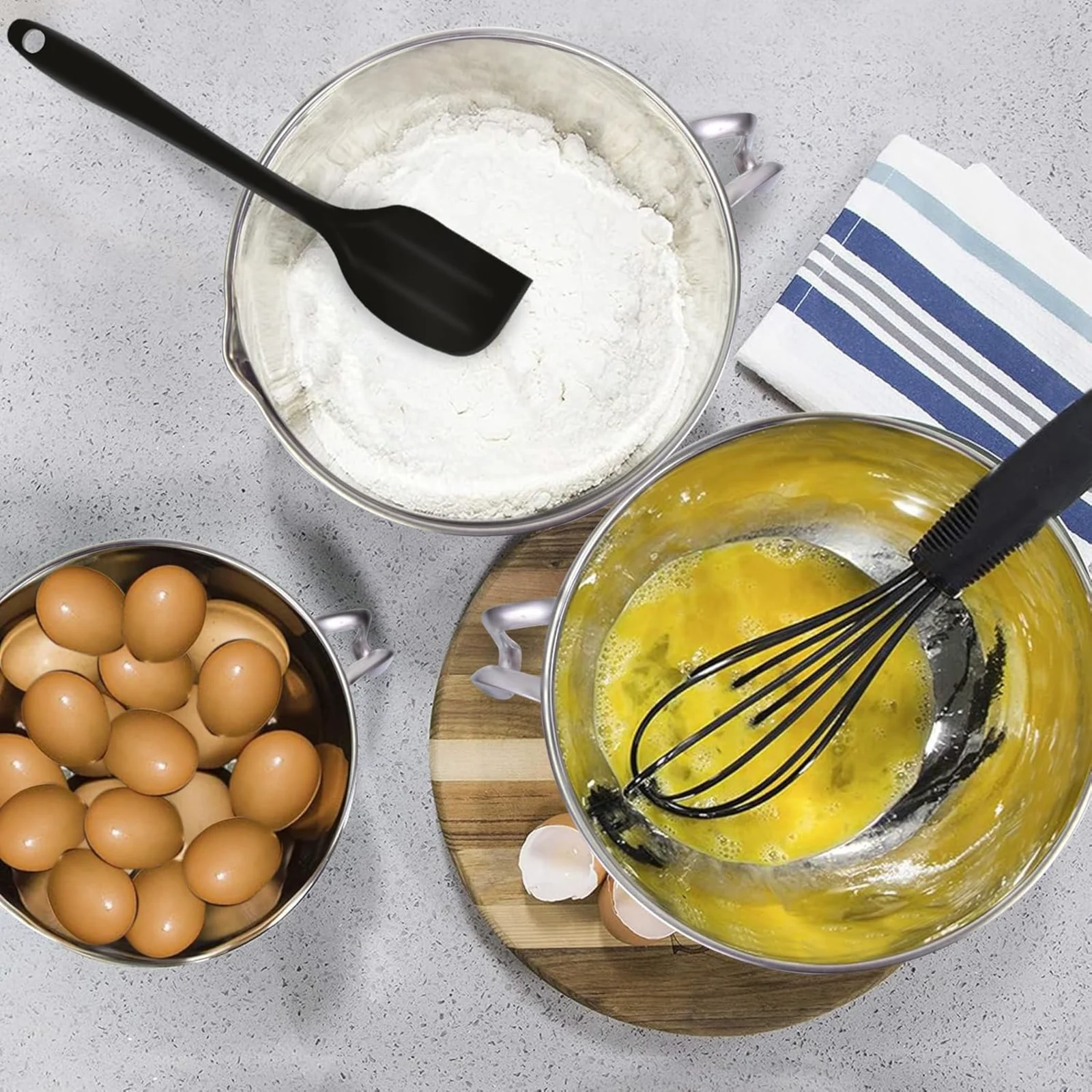
Indirect heat for chocolate, wax and anything else that scorches over a flame. The first number is the insert that holds what you are melting; the second is the pot of water underneath it.
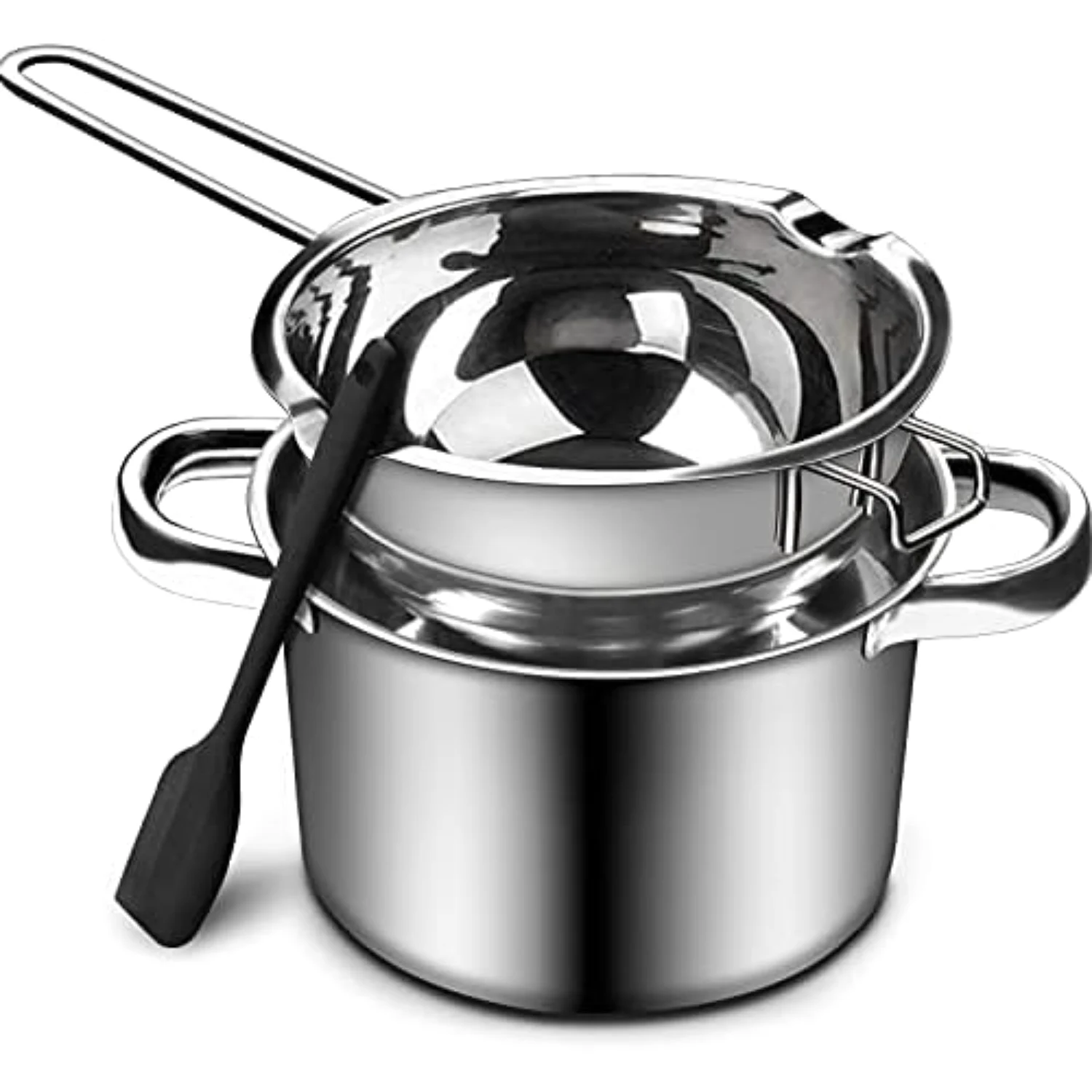

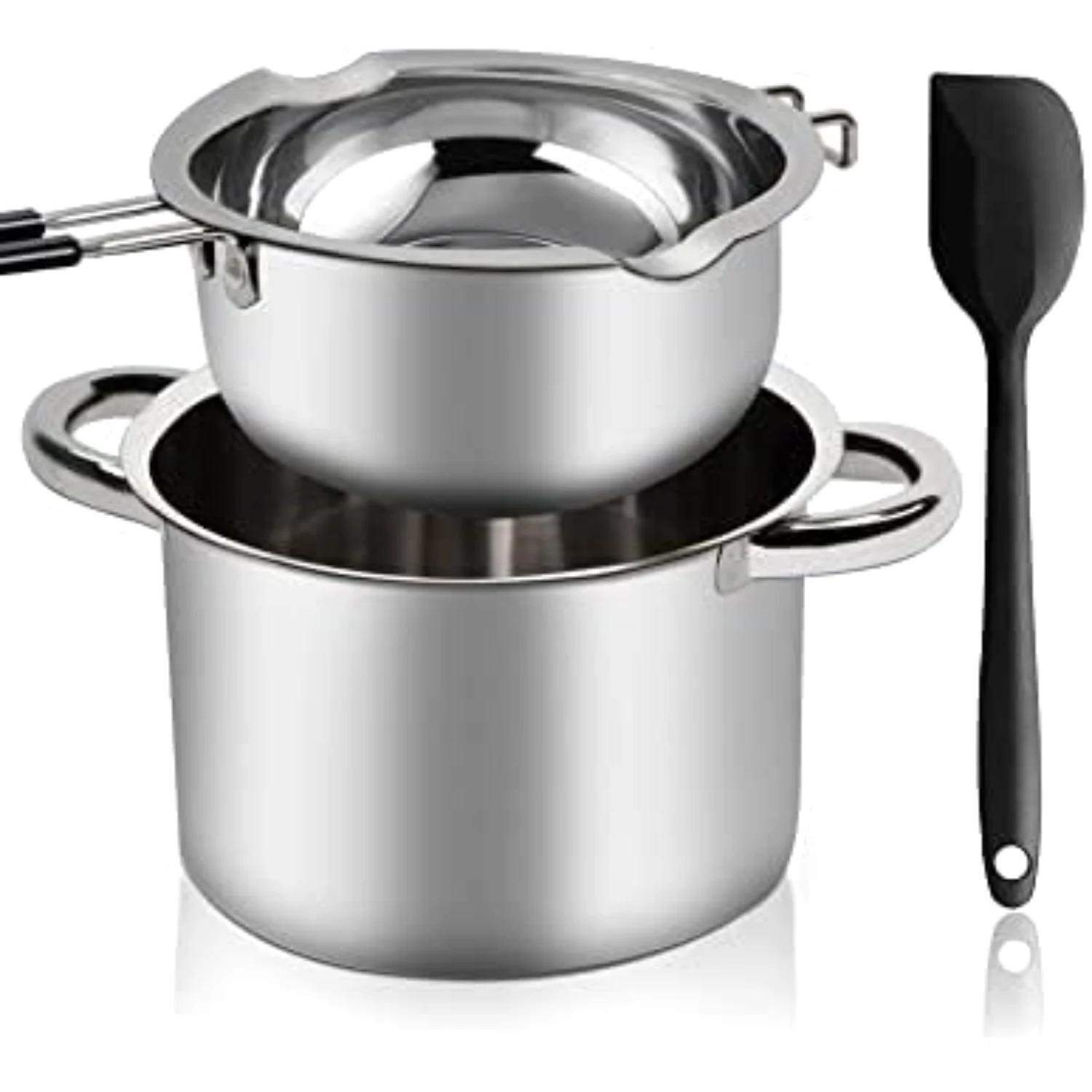
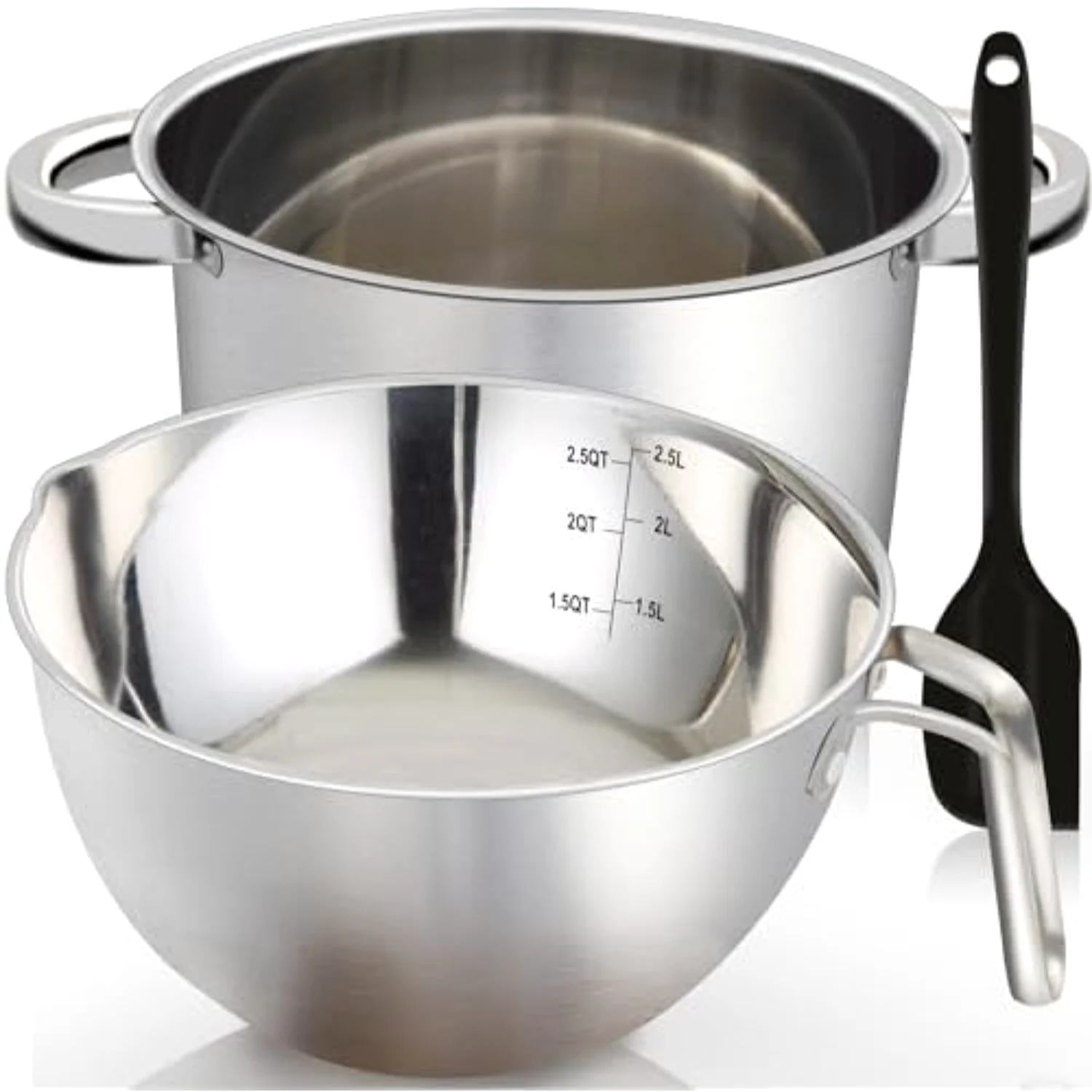
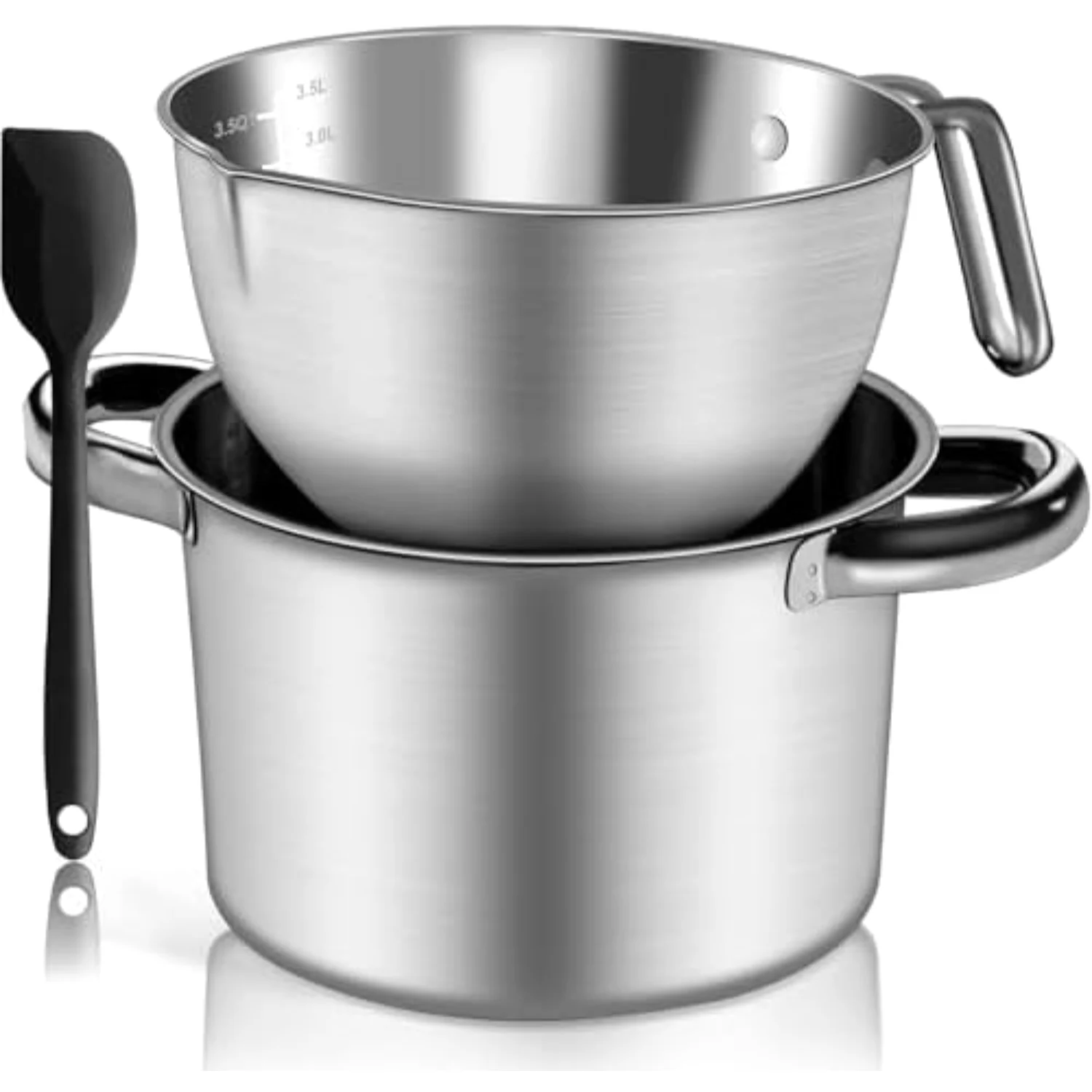
Because water at sea level refuses to go above 212 °F, and almost everything worth melting is ruined somewhere above that.
A burner under a dry pan has no upper limit. It will happily take the base of that pan to 400 °F while you are answering the door. Put water underneath instead and the physics does the supervising: until the last of it has boiled away, the vessel above cannot climb past boiling point.
That is the whole argument for a bain-marie, and it is why the range is built around one. Our inserts sit on the rim of the pot below with the long handle across it, so the base of the insert rides above the water rather than in it. For chocolate that matters twice over, because a drop of condensed water in the bowl will seize a batch as quickly as heat will scorch it.
| What is in the bowl | Goes wrong at about | What it looks like |
|---|---|---|
| Dark chocolate | 120 °F / 49 °C | Grainy, dull, refuses to flow |
| Milk and white chocolate | 110 °F / 43 °C | Scorched milk solids, a sandy texture |
| Butter | 250 °F / 121 °C | Milk solids brown, then burn |
| Soy wax | 200 °F / 93 °C | Discoloured, and the fragrance flashes off |
| Beeswax | 185 °F / 85 °C | Darkens and loses its smell |
Boiling water tops out at 212 °F, which is under every figure in the middle column except butter. That is the margin a double boiler buys you.
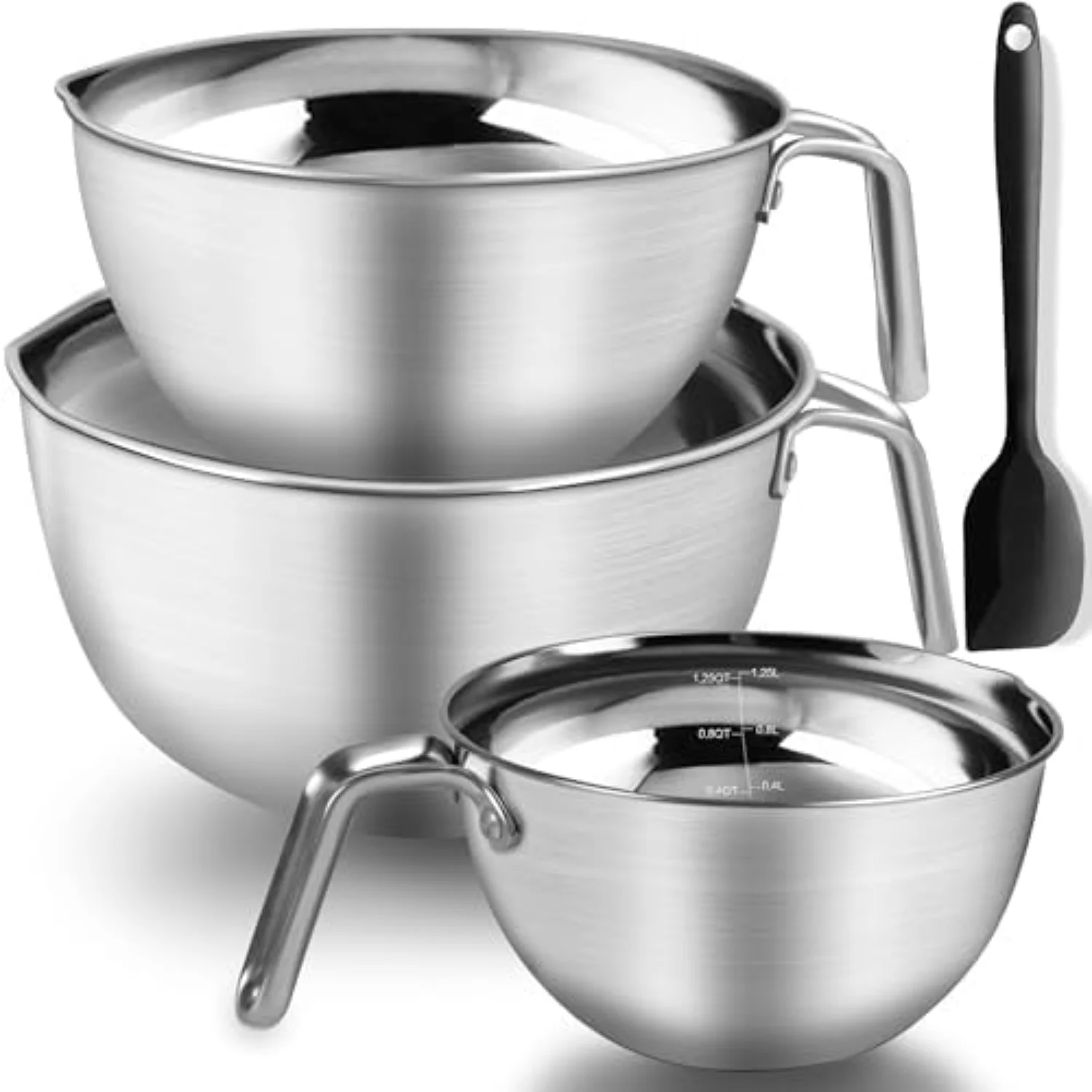
Capacity on a box is the volume to the brim. What you want to know is how many bars, tins or candles come out the other end.
The calculator fills an insert to two thirds, which is where a bowl stops throwing chocolate at you when you stir it, and converts by density: melted chocolate runs about 1.3 grams per millilitre, soy wax about 0.9, beeswax about 0.82. Then it divides by the thing you are filling.
The short version, if you would rather not touch a slider. Half a quart is a batch of balm and a tray of dipped strawberries. One quart is the household size: a hundred bars of chocolate a year, a dozen tins of salve, four candles at a sitting. Anything above two quarts is for people who make the same thing repeatedly and would rather do it once a month than once a week.
Chocolate that snaps, shines and leaves a mould cleanly has been taken through three temperatures in order. Miss them and it sets dull, soft and streaked.
Cocoa butter can crystallise several ways, and only one of them is any good. Tempering is the business of melting everything, cooling until the good crystals form, then warming just enough to keep them and lose the rest. The three temperatures below are L'École Valrhona's; the method around them is how we do it in a water bath at home.
| Chocolate | Melt to | Cool to | Work at |
|---|---|---|---|
| Dark | 122 to 131 °F (50 to 55 °C) | 82 to 84 °F (28 to 29 °C) | 88 to 90 °F (31 to 32 °C) |
| Milk | 113 to 122 °F (45 to 50 °C) | 81 to 82 °F (27 to 28 °C) | 84 to 86 °F (29 to 30 °C) |
| White | 113 to 122 °F (45 to 50 °C) | 79 to 81 °F (26 to 27 °C) | 82 to 84 °F (28 to 29 °C) |
Insert on the pot, water at a bare simmer and not touching the base of the insert. Stir until it reaches the first temperature. A thermometer costs less than the chocolate does.
Lift the insert off the heat and dry the outside before it drips. Add the reserved chocolate in pieces and stir until the mixture falls to the second temperature. Those pieces bring the crystals you want with them.
Back over the water for seconds at a time, not minutes, until it reaches the working temperature. Test on the back of a spoon: set within about three minutes, glossy, no streaks.
The insert holds heat well, which is the point of the mass of steel. Off the pot on a folded cloth it will sit in range long enough to fill a mould without going back on the water.
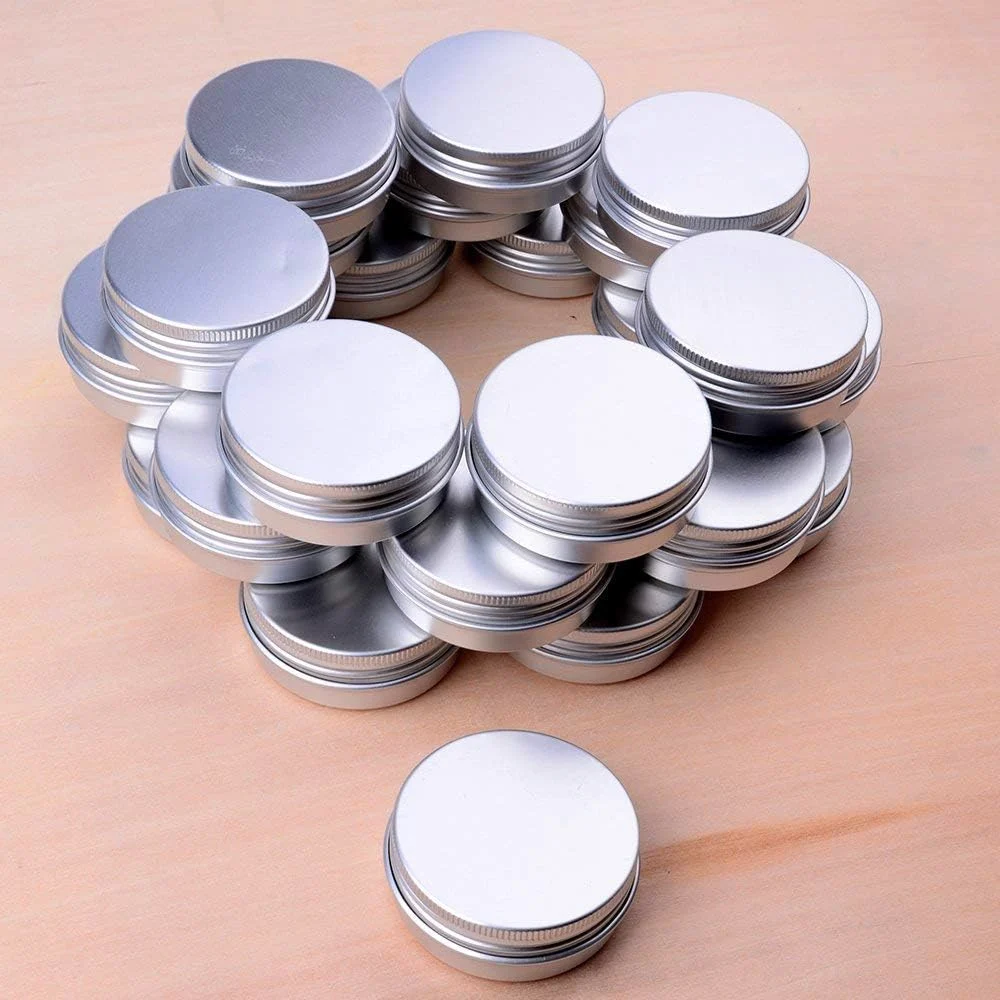
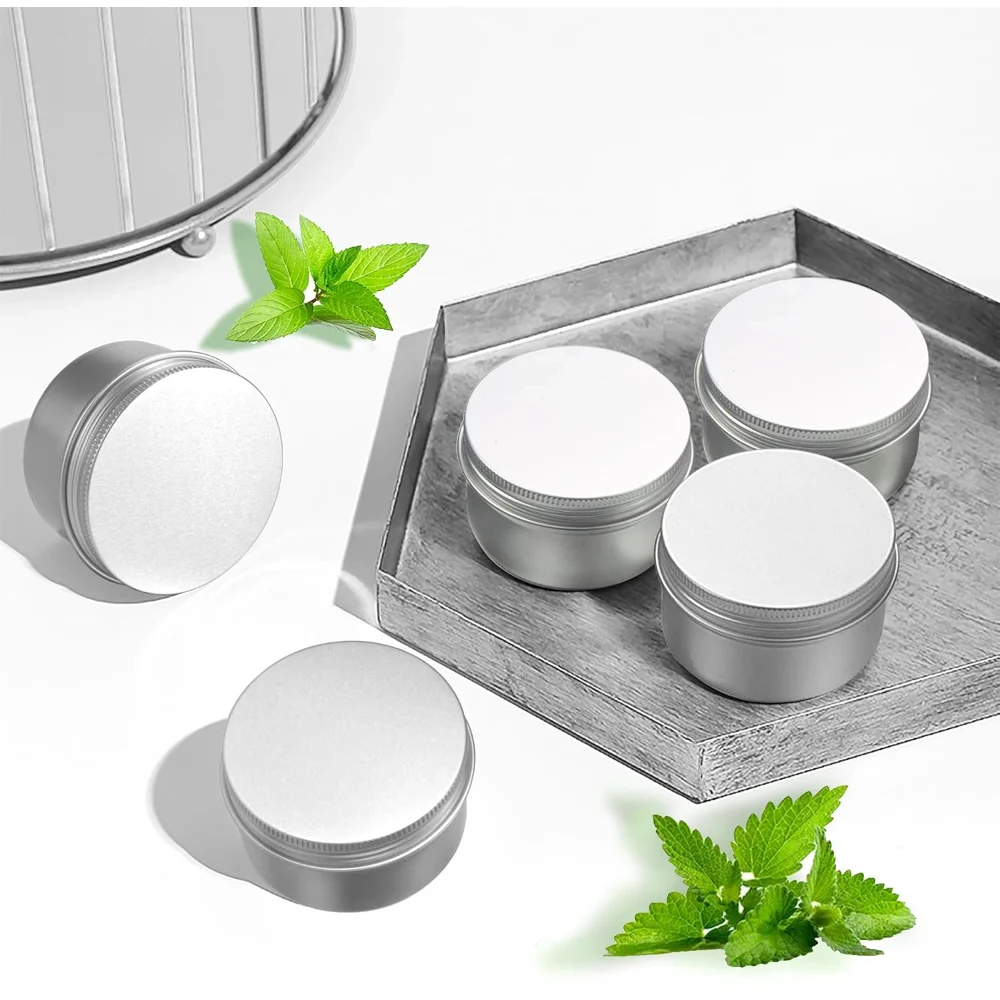
What the melting half needs around it: something to pour into, something to weigh in, and somewhere to put the knife down that is not the drawer.

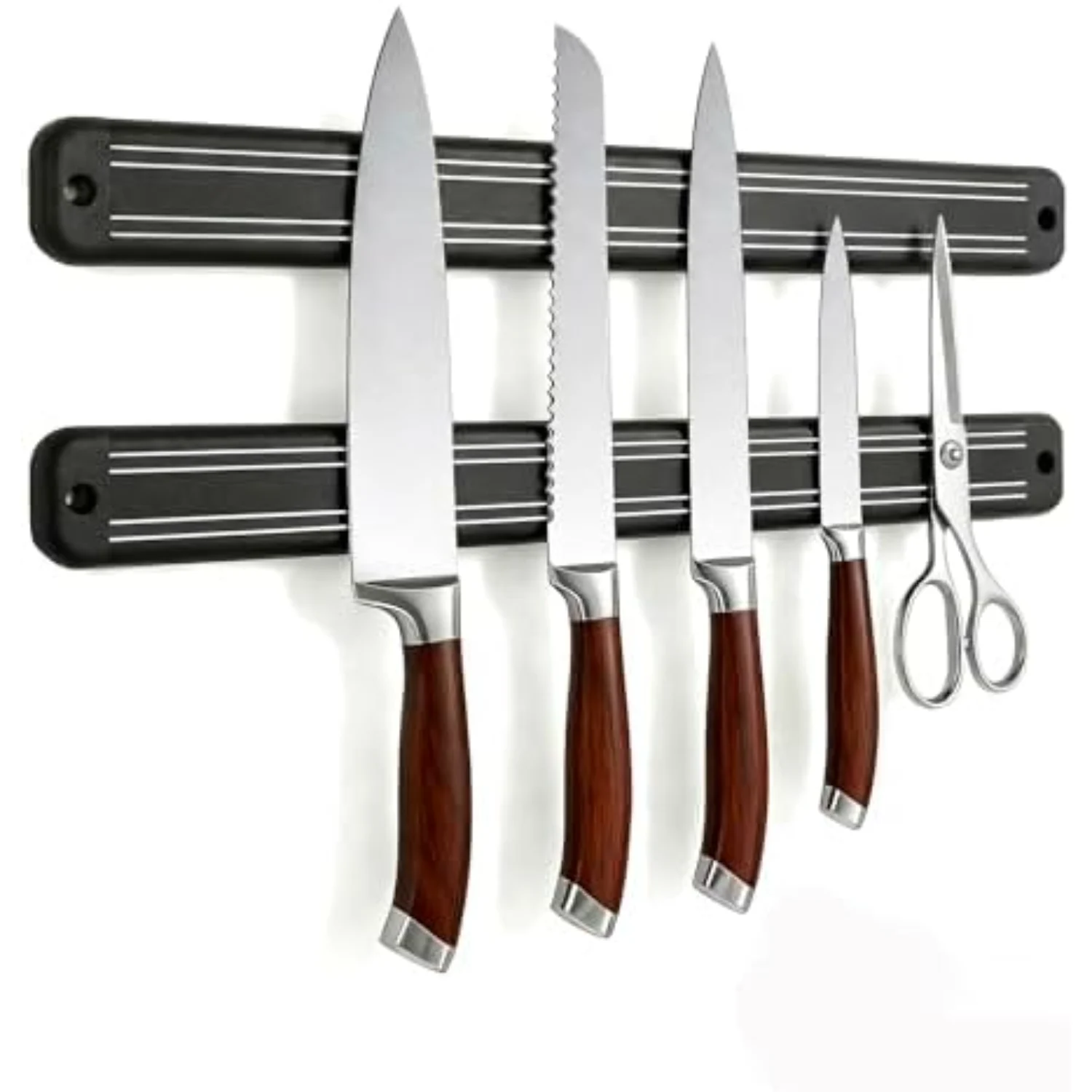
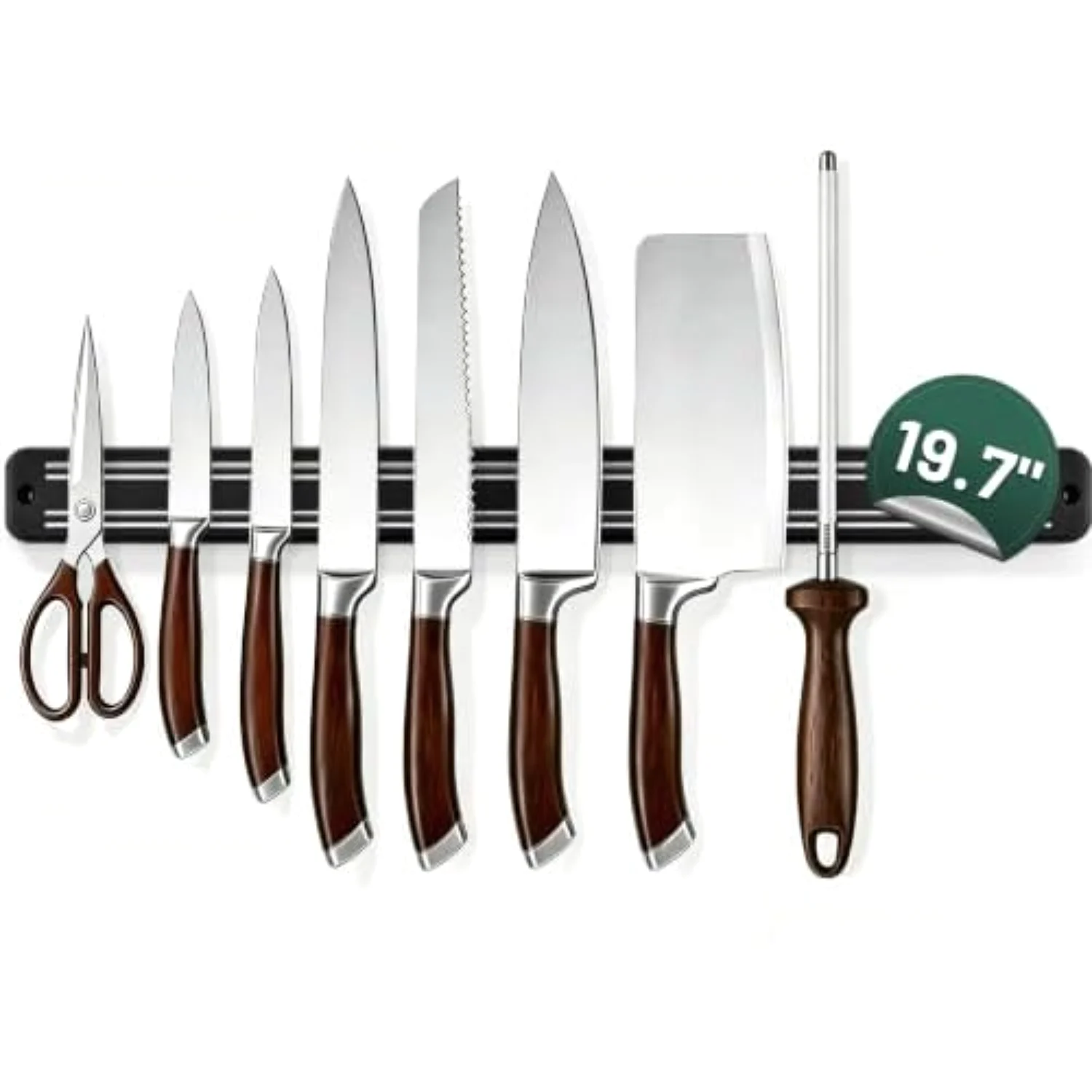
The same pot, a different set of numbers, and a section that ends on fire safety because the thing you are making is a small open flame.
Soy wax melts fully between 120 and 180 °F depending on the blend, and the pour window that gives a flat top is usually 120 to 135 °F. Beeswax melts higher, around 145 to 150 °F, and wants pouring hot before it starts to set on the way down. Fragrance goes in off the heat at about 180 °F for soy so it binds rather than flashing off, and then the wax cools to the pour window with the thermometer in it.
Fill a tin to about a quarter inch below the rim. Our 4 oz tin takes roughly 108 grams of soy wax at that level, the 2 oz about 54, the 1 oz about 27. Wick centred with a peg across the top, poured slowly down the side, then left alone on a level surface. Soy wants a week or two of cure before the first burn, and rushing that is why a homemade candle throws no scent.
For balms the water bath does the same job at a gentler setting: oils and butters to about 160 °F, beeswax stirred in until clear, poured at around 150 °F, lids left off until the surface is opaque or the condensation lands back in the balm.
Twelve inches between a burning candle and anything that burns. Out when you leave the room, and not lit in a bedroom. Trim the wick to a quarter inch before every burn, keep candles three inches apart so they do not melt each other, and stop while half an inch of wax remains. The US Fire Administration counts about twenty home candle fires on an average day, and a third of them start with a candle left alone.
Two short pieces of practical advice that between them prevent most of the messages we would otherwise get.
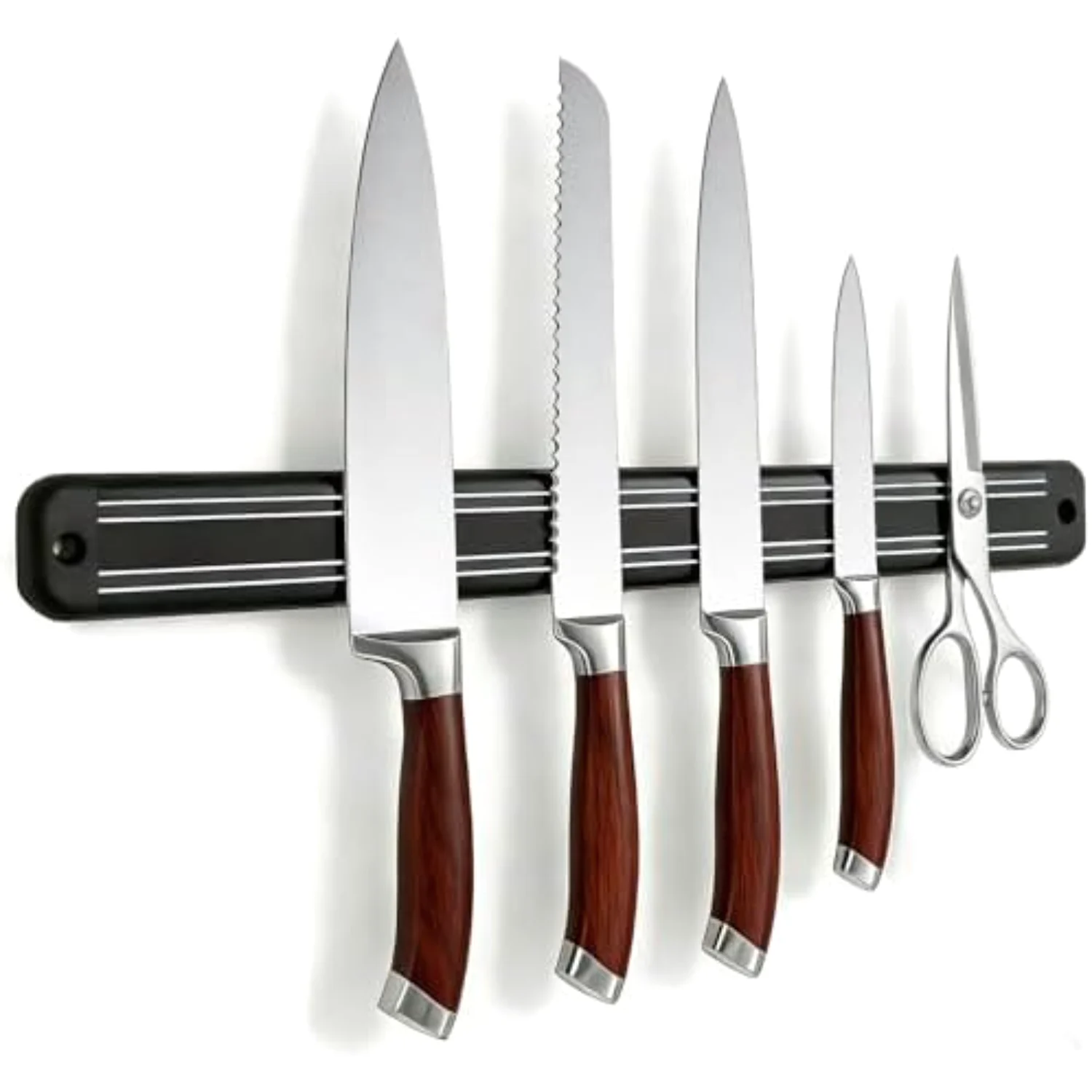
The magnetic strip goes up two ways and both have a catch. Screwed, it wants studs or plugs and it wants to be level, because a strip that leans sends knives towards one end. Glued, it wants a clean, flat, non-porous surface: tile, painted plaster in good condition, the side of a fridge, the inside of a cabinet door. Textured wallpaper and lime wash will not hold it. Our own instructions ask for 24 to 48 hours before you hang anything on an adhesive mount, and that wait is not padding.
Put the spine to the magnet, not the edge. A knife laid on by its cutting edge takes the wear of every lift. Approach it spine first, roll the blade flat against the strip, and take it off the same way. Carbon steel that has been left damp will mark the strip and the strip will mark it back.
304 stainless is not stain proof. The rainbow tint that appears in a dry-heated pot is oxidation, harmless, and it comes off with vinegar and a cloth. The white chalky film is hard water. What actually damages the surface is salt sitting in a wet pan and a night of soaking, so rinse and dry. Everything in the melting half is dishwasher safe, though a hand wash keeps the brushed finish looking newer for longer.

Our own product photography. The panels with text baked into the picture are left out of this site, so there are twelve here and not forty.

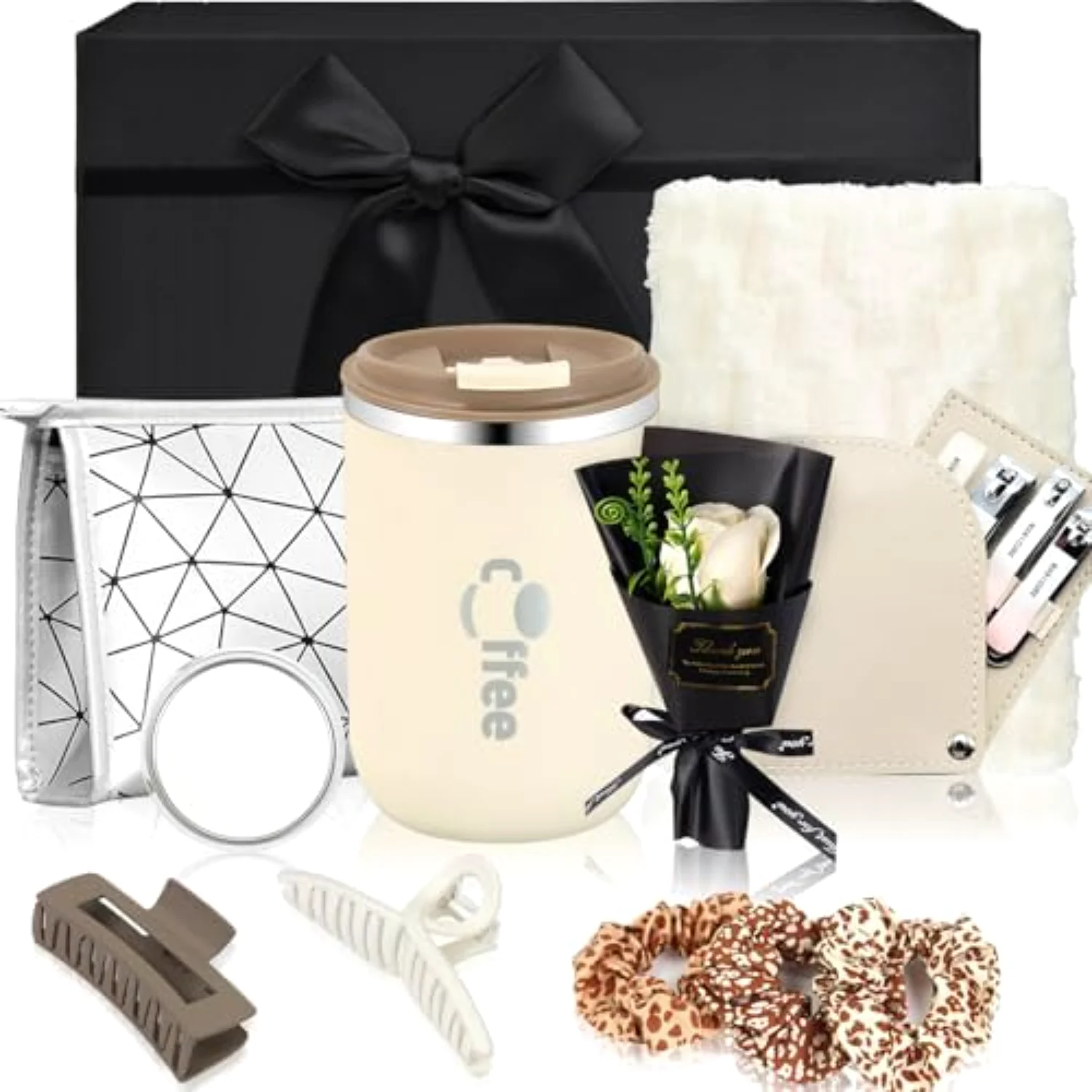
Assembled sets rather than things we make: a candle, a mug, a towel and the small pieces that go with them, packed in one box with a card. They sit at the edge of the range and we describe them as what they are.
Nine questions the packaging does not answer, answered with numbers we can stand behind.
It is not soaking the smell up the way a sponge takes water. The word for it is adsorption: molecules drifting past the carbon stick to the walls of its pores…
Our rule of thumb, and the arithmetic behind it. Pick the space and the calculator returns the weight of charcoal it needs and the set that carries it.
Every charcoal bag sold anywhere says to sun it once a month. Ours says it too. Here is the part that usually goes unsaid.
We would rather lose a sale than have a bag hung up in front of a problem that needs somebody with a meter or a mop.
Because water at sea level refuses to go above 212 °F, and almost everything worth melting is ruined somewhere above that.
Capacity on a box is the volume to the brim. What you want to know is how many bars, tins or candles come out the other end.
Chocolate that snaps, shines and leaves a mould cleanly has been taken through three temperatures in order. Miss them and it sets dull, soft and streaked.
The same pot, a different set of numbers, and a section that ends on fire safety because the thing you are making is a small open flame.
Two short pieces of practical advice that between them prevent most of the messages we would otherwise get.
Six things worth knowing about how this page is put together, including the two that do us no favours.
Prices are refreshed on a schedule and every one of them carries the date of the last update. Ratings are re-read at the same time. Specifications are checked against the product rather than against our own previous copy, which is how the two weight errors below were caught.
Every page shows the date the catalogue was last updated and the date the sources were last read. Today both say 2026-08-21.
No air purification. No antibacterial or antimicrobial effect. No mould removal. No health benefit of any kind. A bag of activated charcoal is a passive absorber for a small enclosed volume, and every sentence on this site stays inside that.
There is no third-party laboratory report behind this range. We have not commissioned one and we do not imply one exists.
Two places. The twelve-bag mixed set is named for two 150 g bags while a pack graphic in the same gallery prints 200 g; we publish the lower figure. And one dimension panel is reused across several pot sizes, so a capacity printed on a photograph does not always belong to the pot in the photograph.
Capacities on this site come from each set's own specification, never from the shared graphic.
The record behind our own packs put the beige six-pack at 0.35 oz a bag, which is 10 g, against 60 g printed on the pack; and the grey mesh six-pack at 47 g against 50 g printed. Both now follow the printed figure, because that is the one that was measured.
If you find a third, write to hello@marsheepy.net and it gets fixed rather than argued with.
Ratings are reported for a whole family of pack sizes at once, so several sets here share one figure. We count each family once rather than adding the same reviews up twice. That is why the headline says 28,597 rather than the much larger number you would get by adding every pack size up.
10 families carry a rating between them, and the average shown is weighted by how many ratings each family has.
Six sources sit behind the guides above. Each was opened and read before it was cited.
Up to about two years of useful life if it is dried in the sun every month or so, which is what our packaging means by reusable. The honest test is your nose: sun a bag, let it cool, and smell it. If it still carries the smell of the place it was working in, its pores are full and it is done.
No. Wet charcoal takes days to dry through and a soaked bag will go musty before it goes dry. Sun and air are the only maintenance. Keep them out of the microwave too, because there is a metal ring set into the seam.
The colour is only a colour. The fabric is not: the linen bags are woven closed and suit a drawer, a wardrobe or anywhere the bag will be handled, and the mesh bags expose more surface to moving air, which suits a shoe or a gym bag that airs between uses.
It will not. A basement smell is a moisture problem, and the fix is finding the water and getting the humidity under 60 per cent. Charcoal in a room that size is a gesture. We would rather say so than sell you eight bags for it.
The insert is made to sit over water, not over a flame, and our own packaging says so on the pot that has the widest base. The outer pot is the one that touches the burner. Dry heat under an empty insert is how a stainless pan gets a permanent blue tint.
For melting and dipping, no. For tempering, yes: the three temperatures are two or three degrees apart and there is no way to eyeball them. A cheap digital probe is enough.
They are unlined aluminium made for balms, salves and candle wax, and that is what we sell them for. We have not commissioned a food-contact test report and we are not going to imply one exists by calling them food safe.
Because a rating is reported for a whole family of pack sizes at once. Four sizes of the same charcoal bag share one figure, so the headline count on this page adds each family once instead of counting the same reviews four times.
It is the figure from our last update, and prices move between updates. The button on each product opens the current one, which is the only price that counts.
Not here. This site is the catalogue and the guides behind it, and every buy button opens the checkout for that set, where payment, delivery and returns are handled. The disclosure page sets out how the site is funded.